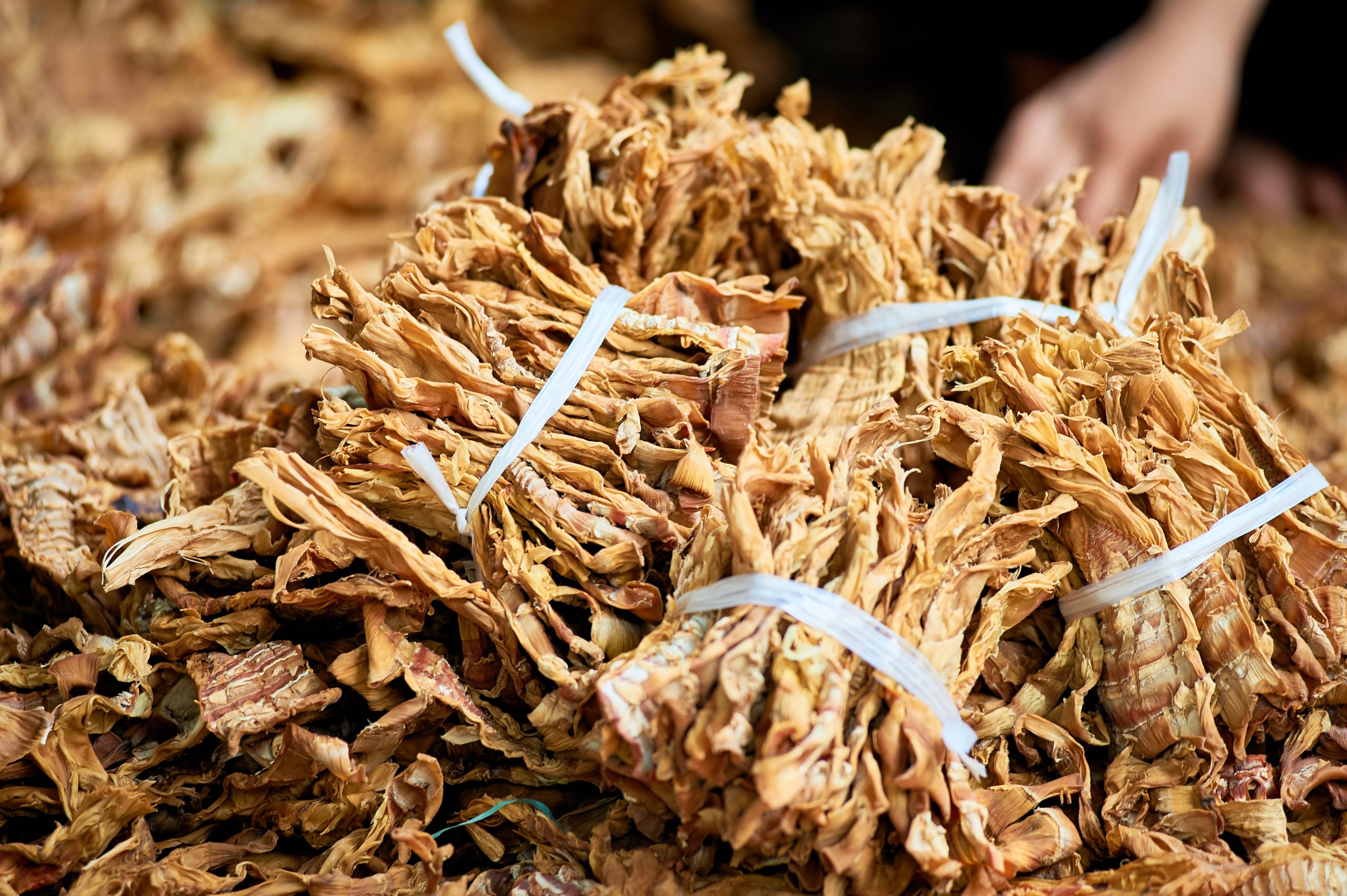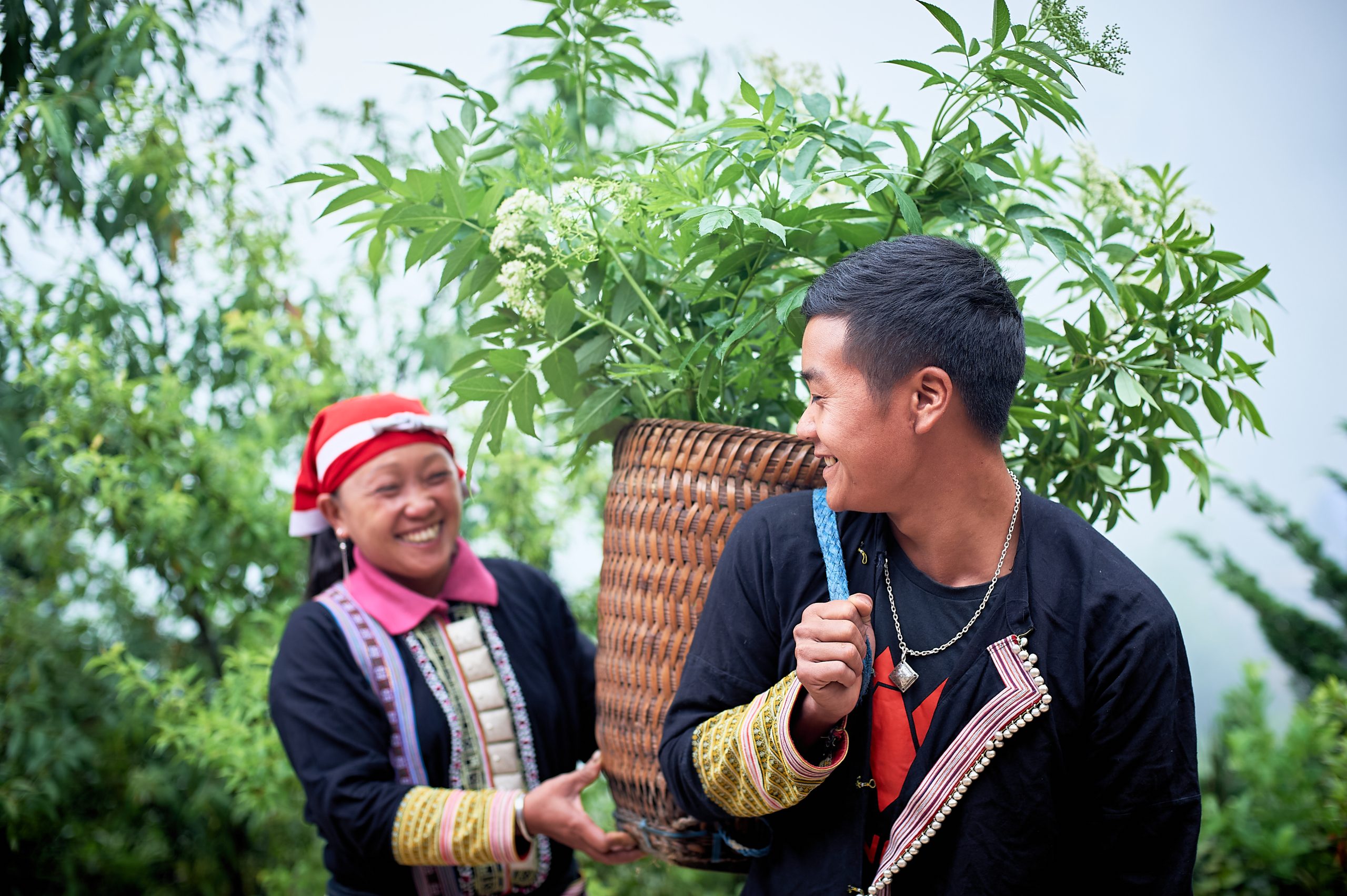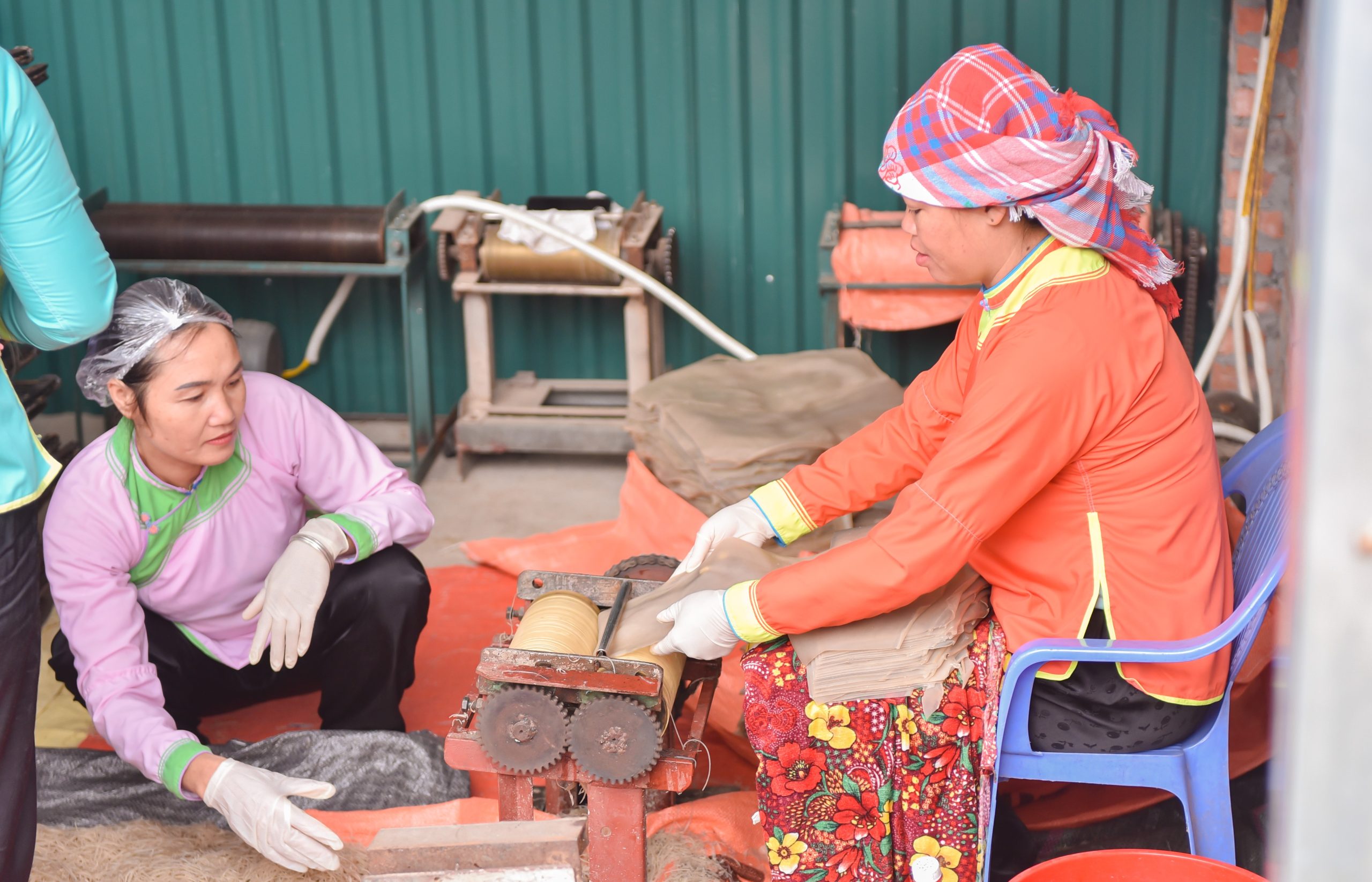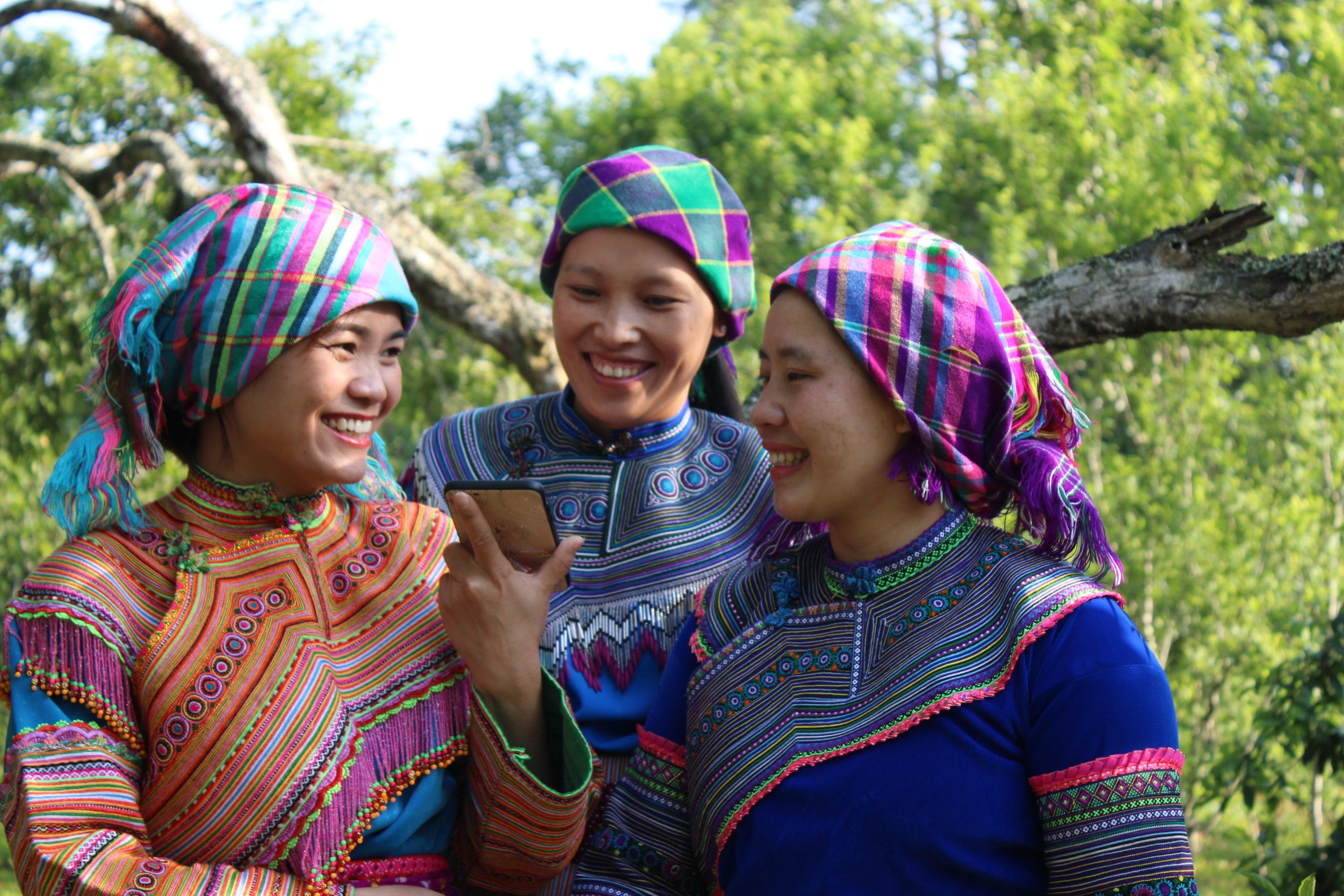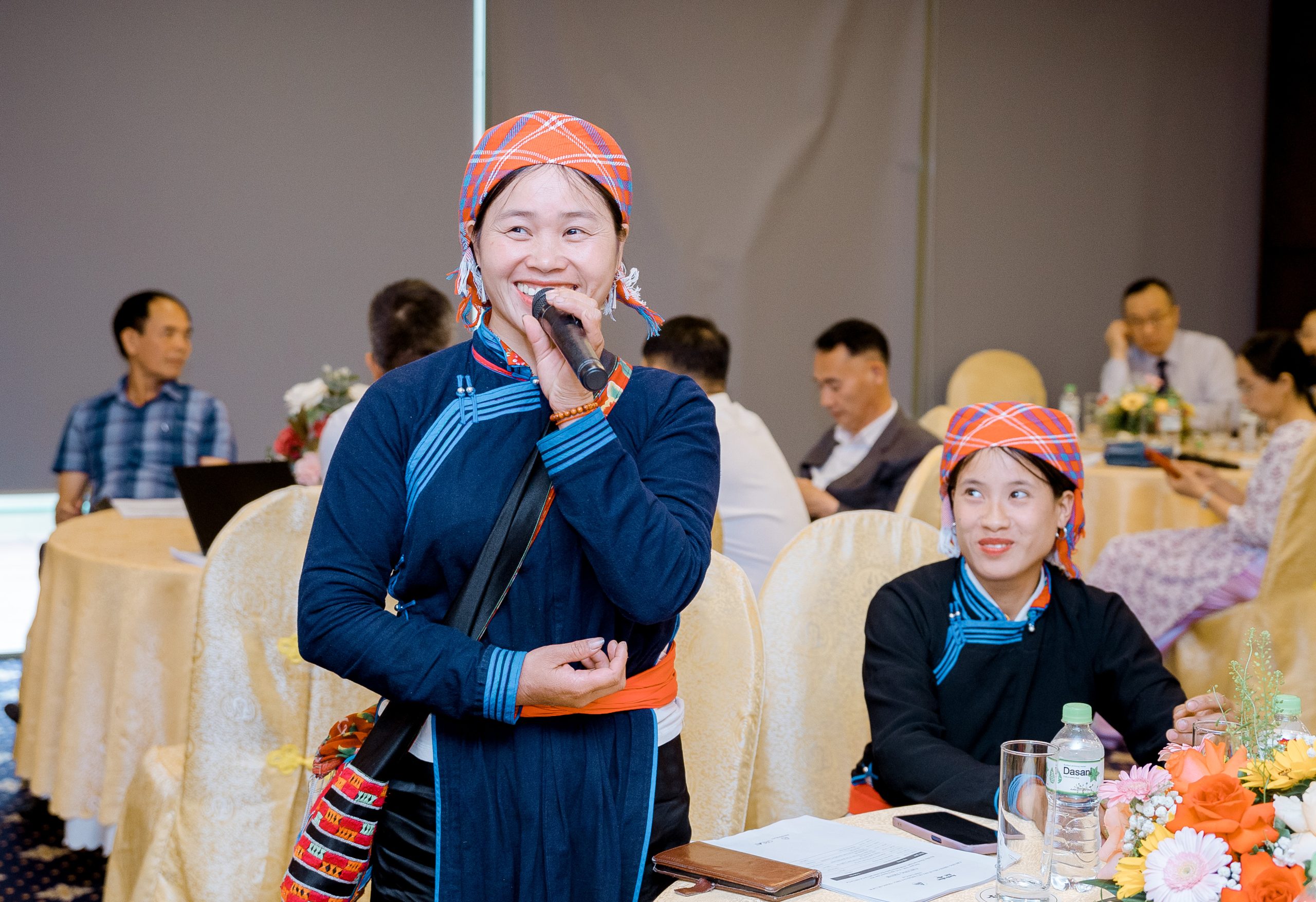
In a quiet sleepy village in Moc Chau Commune, Son La, Vi Thi Thu Ha is working apace packaging freshly harvested capsicum and celery. She does this while monitoring the other women in her cooperative washing and trimming produce, checking in with the cooperative accountant on documenting sales and financial planning, and discussing with cooperative members via Zalo landing positions for tomorrow’s negotiations with lead companies. When once, she ran every aspect of business operations, often in isolation and overwhelmed with the workload, she is now surrounded by a high performing team of women making up Thuan Thien Nature Agricultural Cooperative who look to her with trust and confidence. Thu Ha is a current business acceleration trainee and active business mentor of GREAT’s Women’s Entrepreneurship and Leadership (WEL) project. And it shows. Applying her newly acquired learnings from the negotiation skills training, Thu Ha led her cooperative negotiation on a VND 1.8 billion agricultural land lease producing a saving of VND 360 million per year in land rental costs over 5 consecutive years. This financial win provided her cooperative with the capital needed to reinvest in quality and innovation. Furthermore, under Ha’s leadership, the cooperative has evolved into a lead firm within a comprehensive, closed-loop supply chain. This ecosystem brings together key market actors—including other cooperatives, processing factories, the Northwest Research Institute, and logistics companies—all of whom have signed formal agreements to begin integrated agricultural operations, starting with tea products in March 2026.
The results are tangible: offtake agreements are being signed continuously, and annual revenue has reached an impressive VND 4 billion. This breakthrough is a direct result of the expanded business vision Ha acquired through her leadership training, proving that when a woman is empowered with the right tools, she doesn’t just grow a business—she builds an entire industry network.
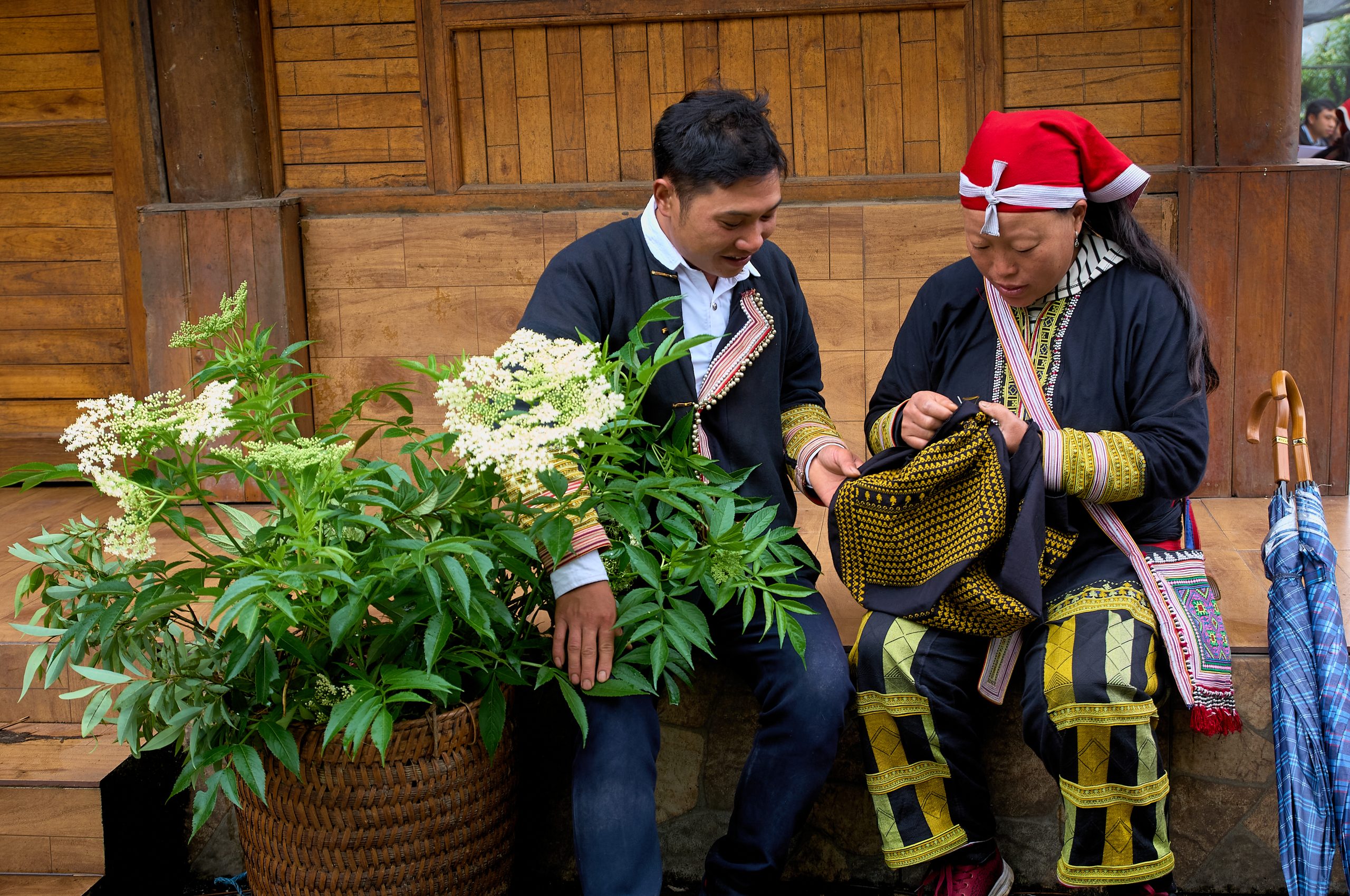
Before WEL, like many ethnic minority women in the highlands, Thu Ha’s business was a solitary, all-consuming effort, limited by traditional practices and a lack of formal management skills, which led to minimal profits – and at times, losses – and an extremely limited likelihood for growth. Through the Women’s Union cooperative network, she was connected with the Women’s Union representative who raised to her attention a new development initiative for women in business, which in turn led her to the GREAT’s websites and implementing partners iChange and GreenU. As a former accountant with foundational business knowledge, Thu Ha was selected for the WEL leadership program where she received intensive business and leadership training and coaching. Not only was she able to directly improve her own business, but has now taken on the role of business mentor herself, coaching other ethnic minority women on business processes and most recently, demystifying tax policies for other women entrepreneurs.
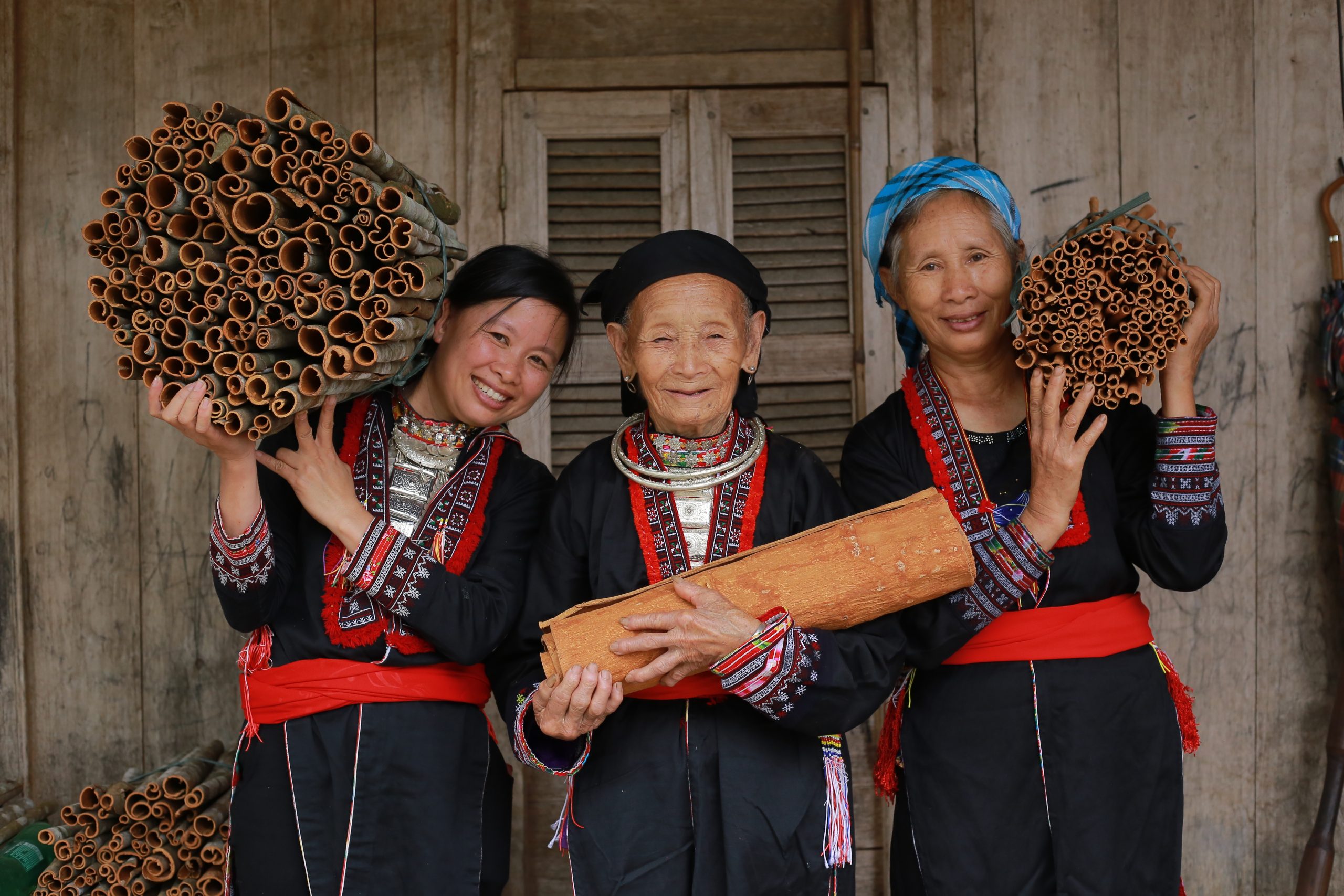
Thu Ha’s story is one of hundreds of stories of ethnic minority women transforming their lives and business, not only turning struggling businesses into robust and financially viable operations producing high quality products, but also in building confidence, agency and leadership, and elevating themselves in the eyes of their families, community, work colleagues and business partners.
A new blueprint: The WEL intervention approach
GREAT recognises that empowering women entrepreneurs like Thu Ha is one of the most effective ways to boost local GDP and reduce rural poverty. The WEL project is based on the premise that for ethnic minority women to succeed in business, both hard or direct barriers (such as technical business skills, connection to market services and actors) and soft or indirect barriers (such as self-belief and confidence, agency to negotiate within the family), needed to be dismantled.
The GREAT approach moves beyond simple handouts, focusing instead on building long-term business and leadership skills through a structured ecosystem of support:
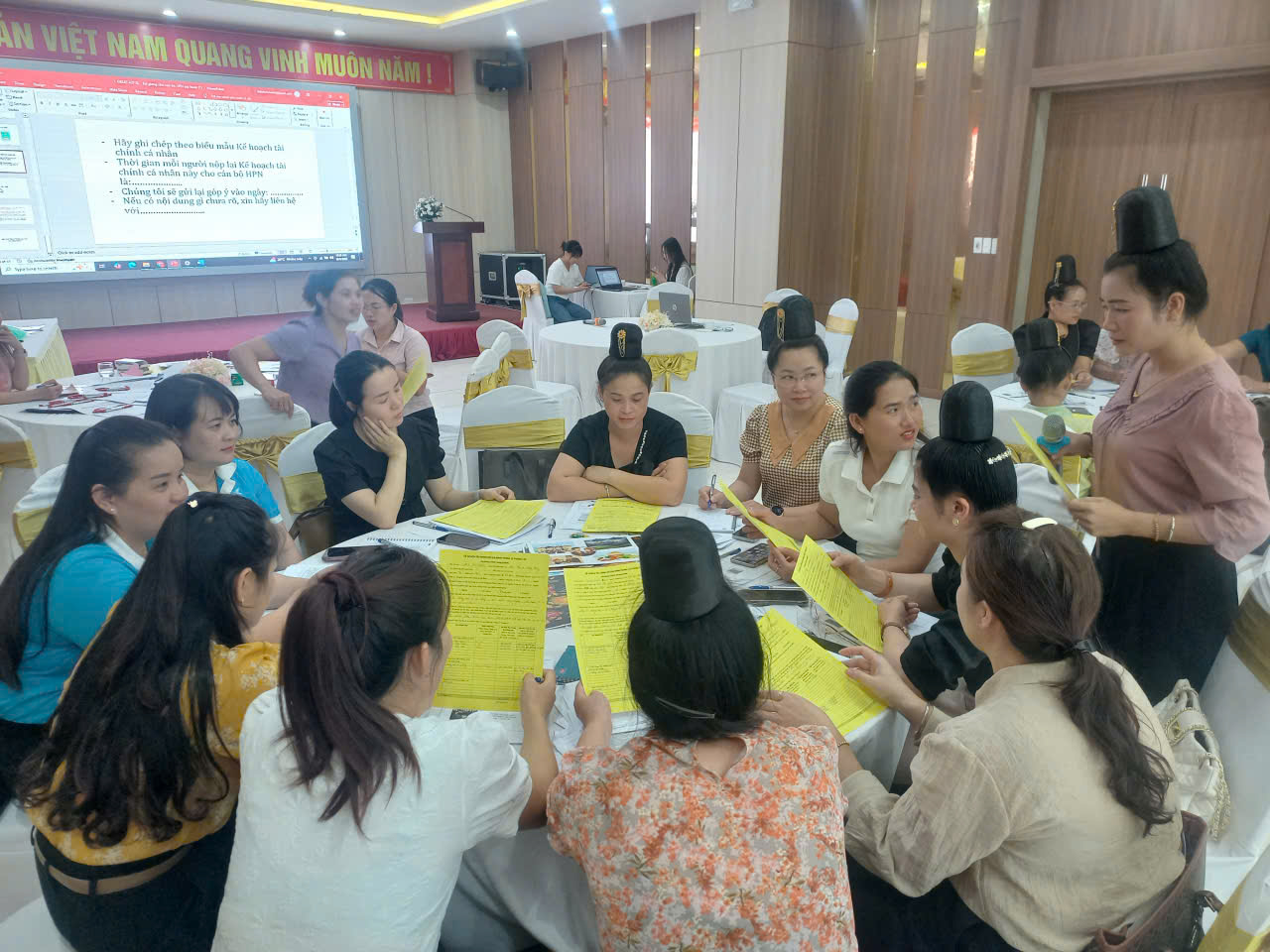
Firstly, in improving business incubation and acceleration services. The project provides tailored training that meets women where they are. This includes “Business Model and Product Development” courses that help women shift from informal selling to structured enterprise management.
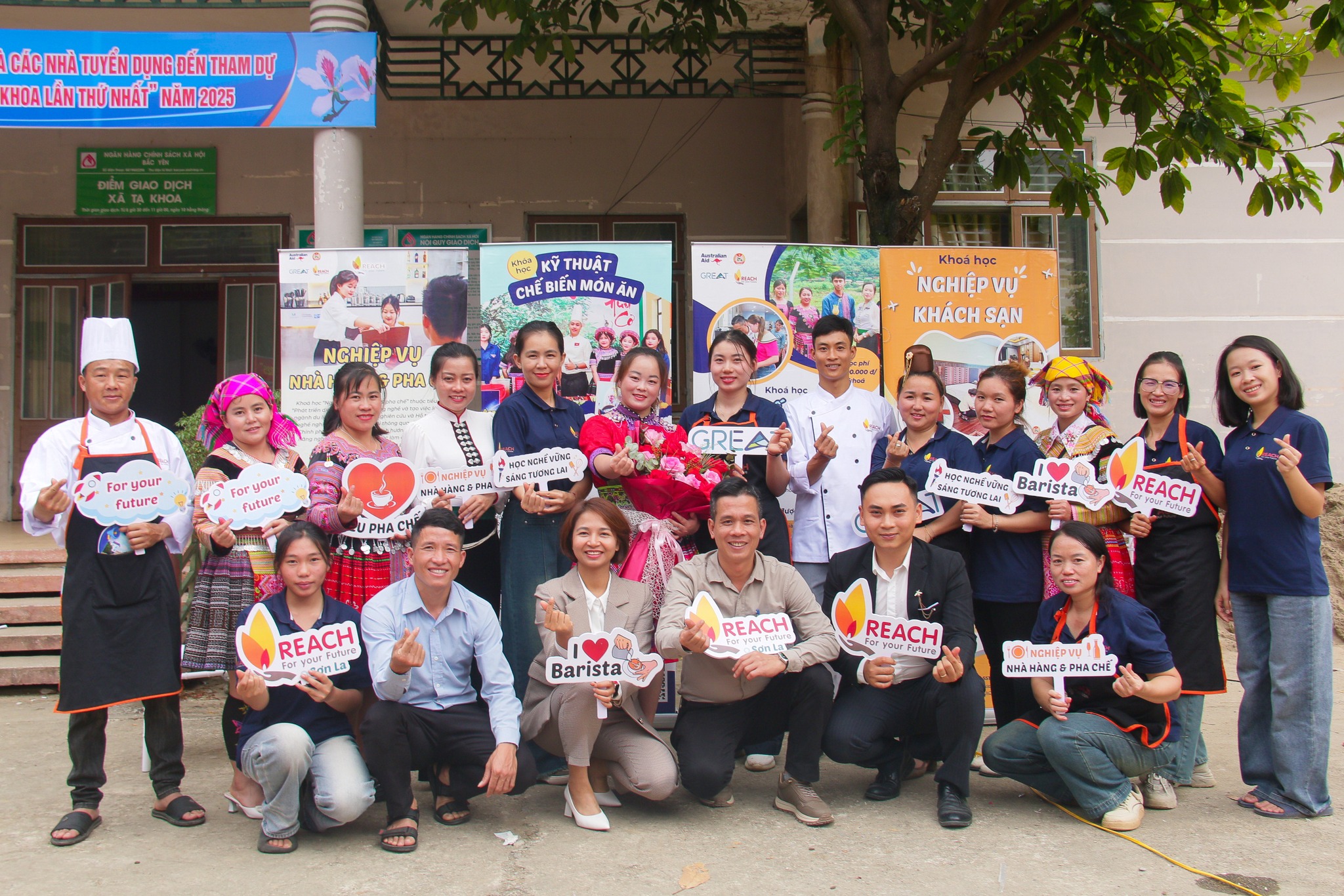
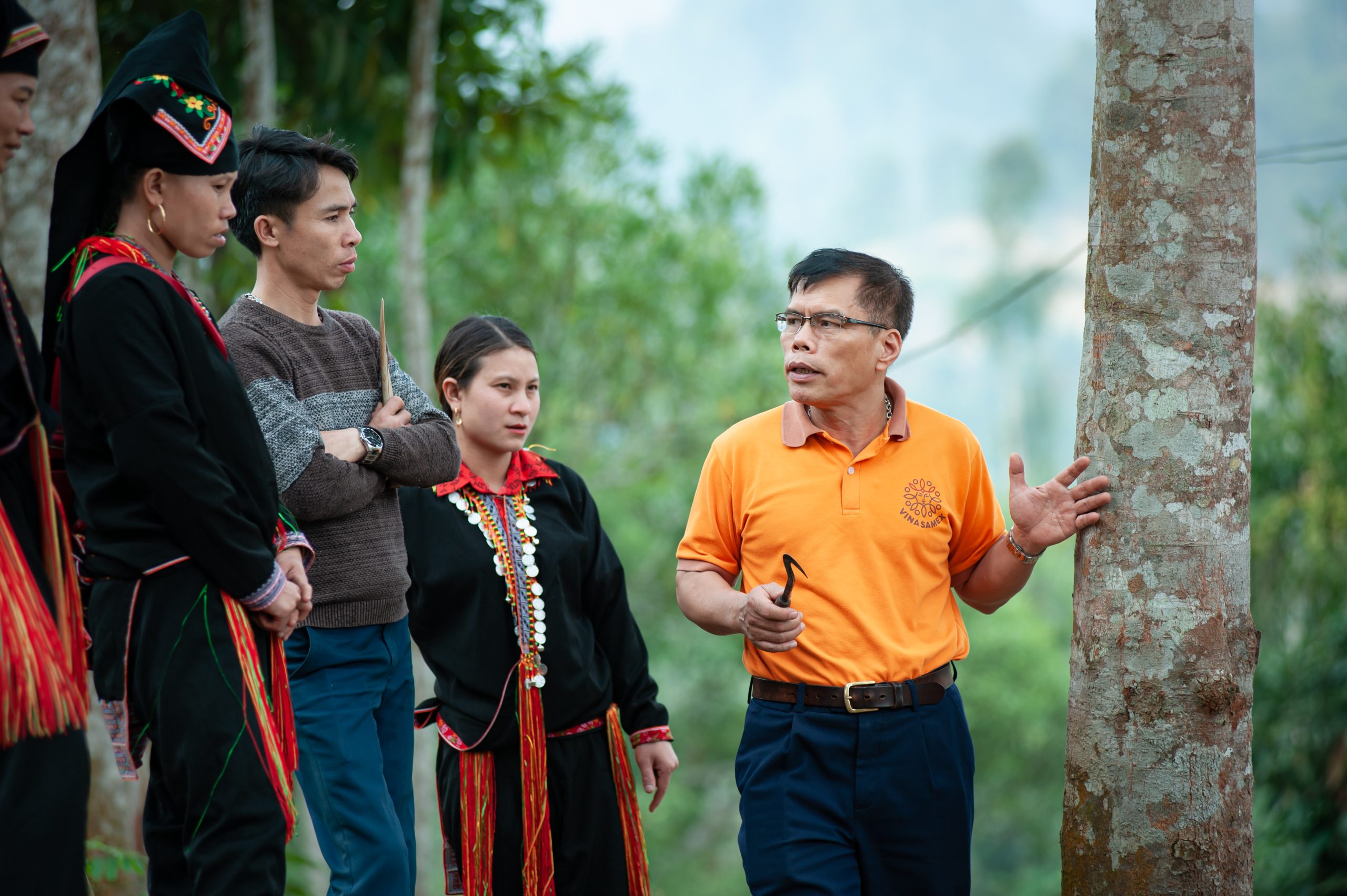
Secondly, in establishing and expanding a network of local mentorship and businesses. By establishing local mentorship services and connecting women to broader business networks, GREAT ensures that ethnic minority women are no longer operating in isolation. They are introduced to lead cooperatives and digital marketing channels that expand their reach far beyond their mountain villages.
And thirdly, engaging male partners along women’s business journeys. Recognising that true empowerment requires a shift in the home, WEL interventions intentionally engage male partners. Husbands can join training to understand their wives’ business needs, are encouraged to share domestic work and support their wives’ business decisions.
As of February 2026, the results of the WEL project are clear and quantifiable: Over 677 households have seen increased income due to market expansion led by women entrepreneurs. Nearly 950 women, including 758 from ethnic minority groups, have experienced direct economic gains.
More than money
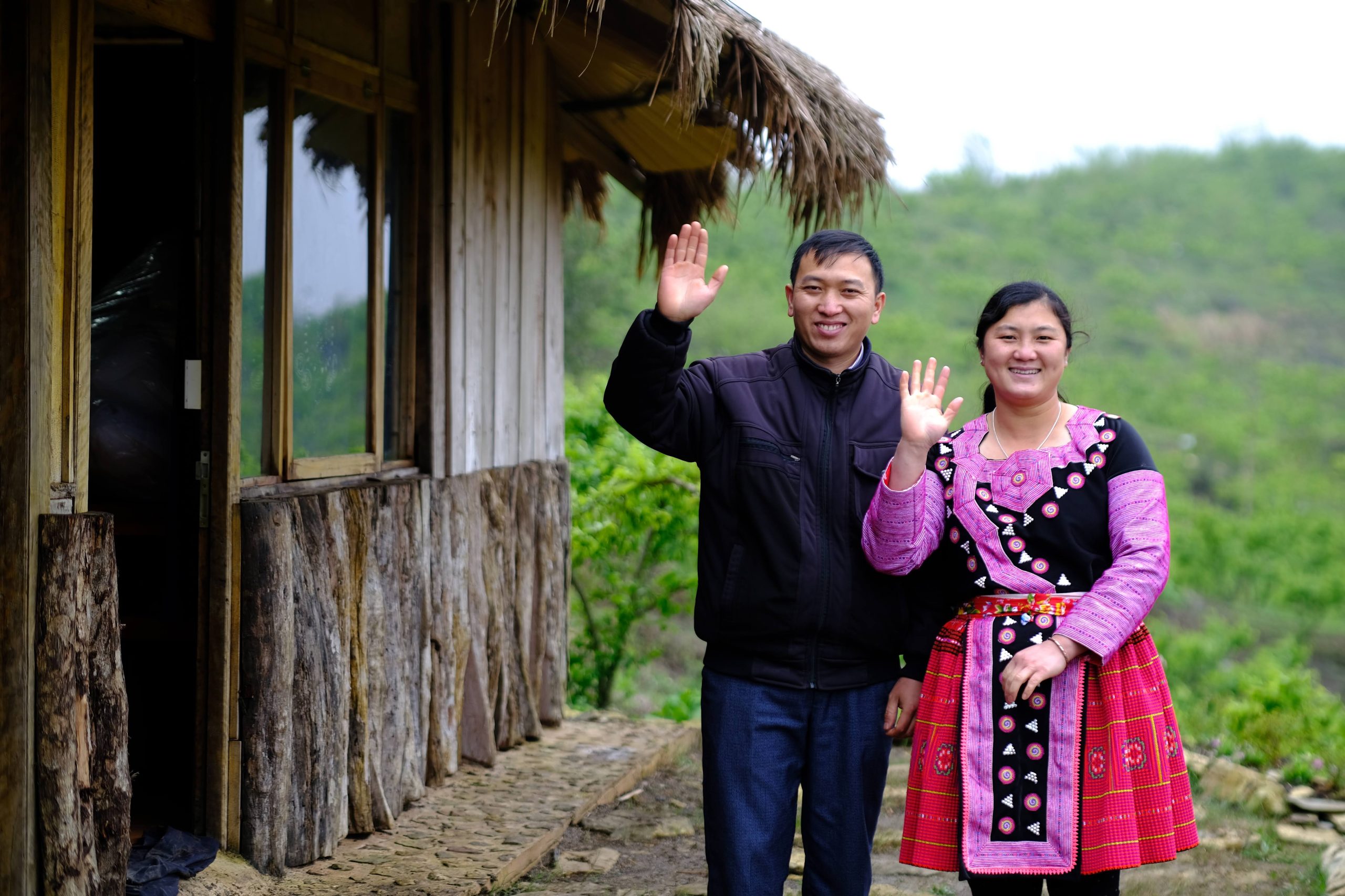
Beyond the money, there is a visible change in “social perceptions of women in business.” Like many men in the community, Thu Ha’s husband used to hold the traditional belief that a wife’s place was in the kitchen: tending to the house, raising the children, and staying away from social networking or major financial decisions. However, as he witnessed her real-world growth, the recognition she received from the community, and the tangible results of her work, his perspective underwent a profound transformation.
From a skeptic, Thu Ha’s husband became her strongest supporter. He began sharing the housework and even took over as the primary cook of the family (partly because of his passion for cooking and, “honestly, because he’s quite talented at it!”). “He now walks beside me in raising the children and fully empowers me to decide whom to partner with and how to organise our production.”
Witnessing her advancement from struggling business owner to a successful Local Business Mentor, Thu Ha’s husband’s doubt turned into deep trust and pride. He doesn’t just support her current work; he is actively encouraging her to pursue a Master’s in Business Administration (MBA). He has completely shed the old mindset that women shouldn’t make big decisions, replacing it with a sense of shared leadership and mutual respect.
Women are increasingly seen as capable directors, savvy negotiators, and resilient leaders
The GREAT program’s WEL project is showing that when ethnic minority women are provided with business literacy and leadership pathways, they don’t just improve their own business – they grow stronger in the home and community, transforming the lives of others. Through discipline, skills, innovation, and a seat at the table, the women of Lao Cai and Son La are building a future for themselves, their families and their community. And both the village and surrounds are waking up to this.