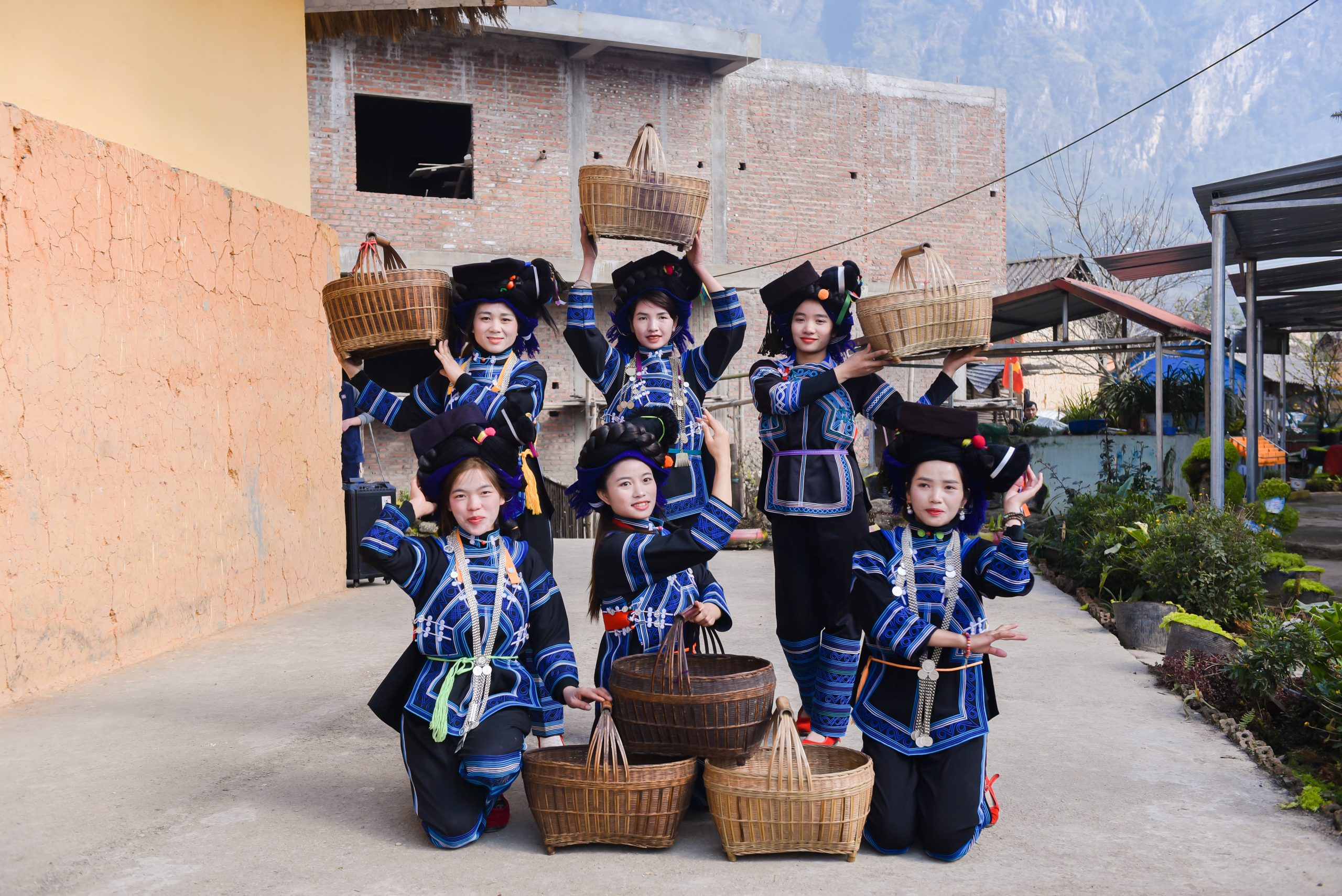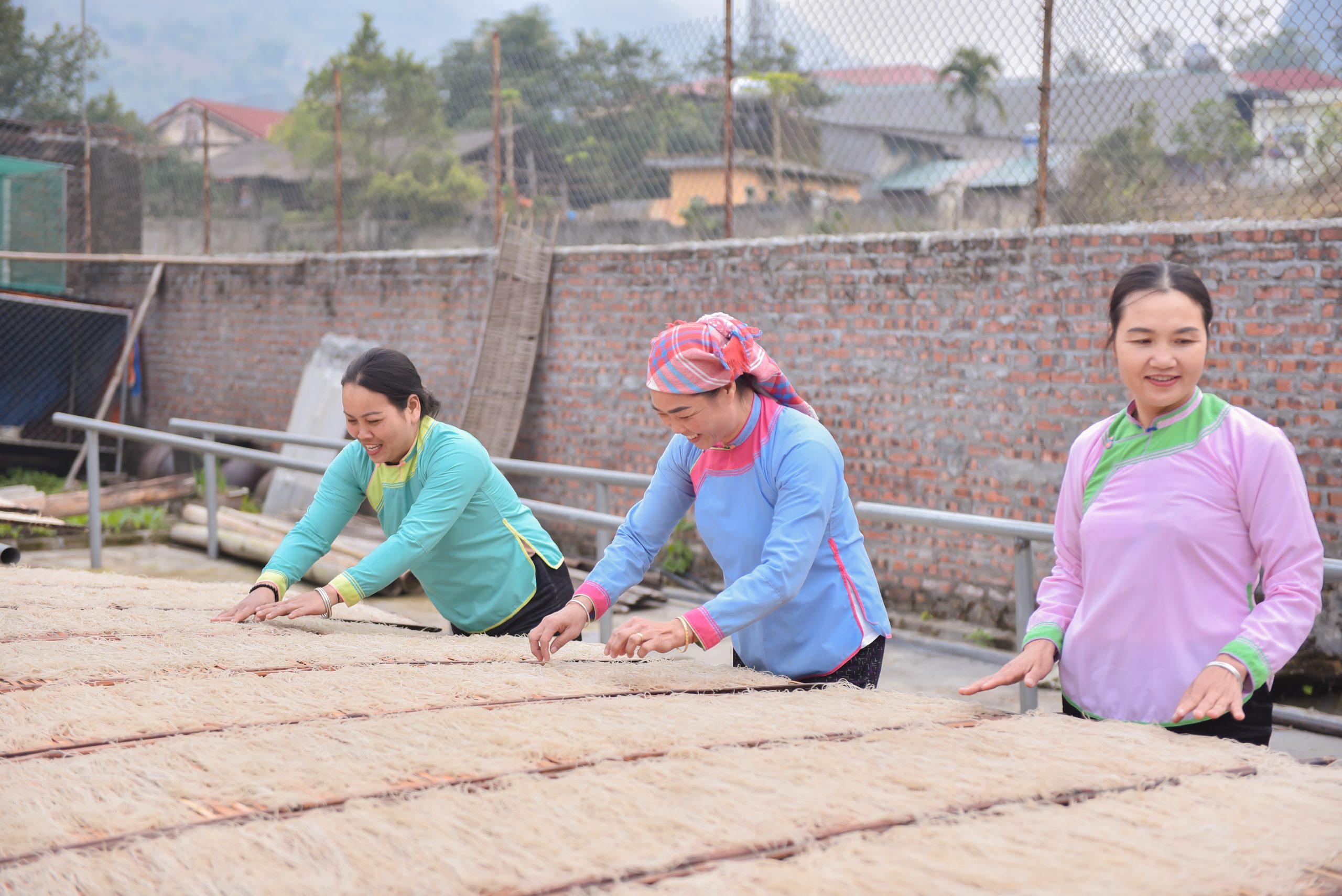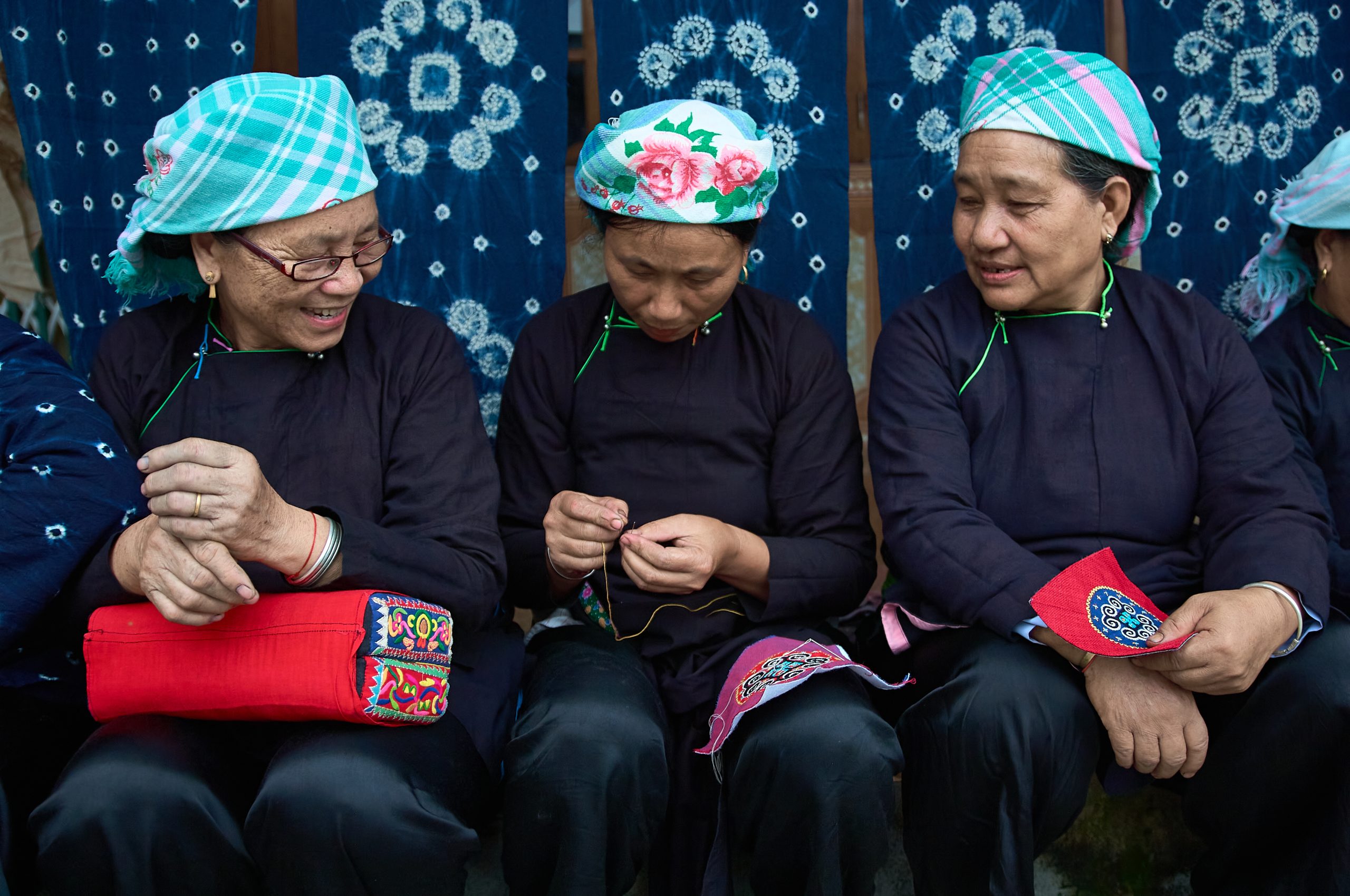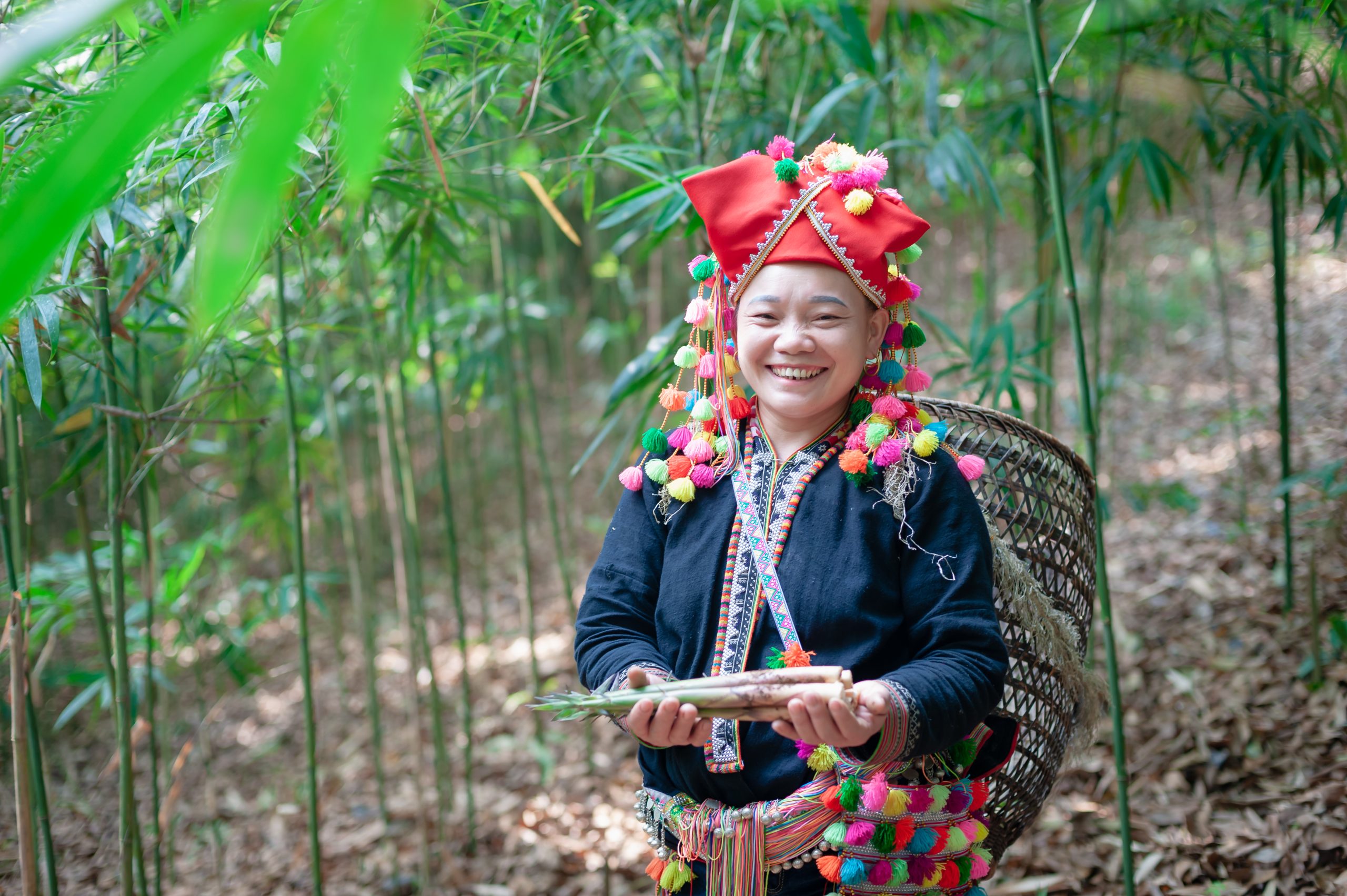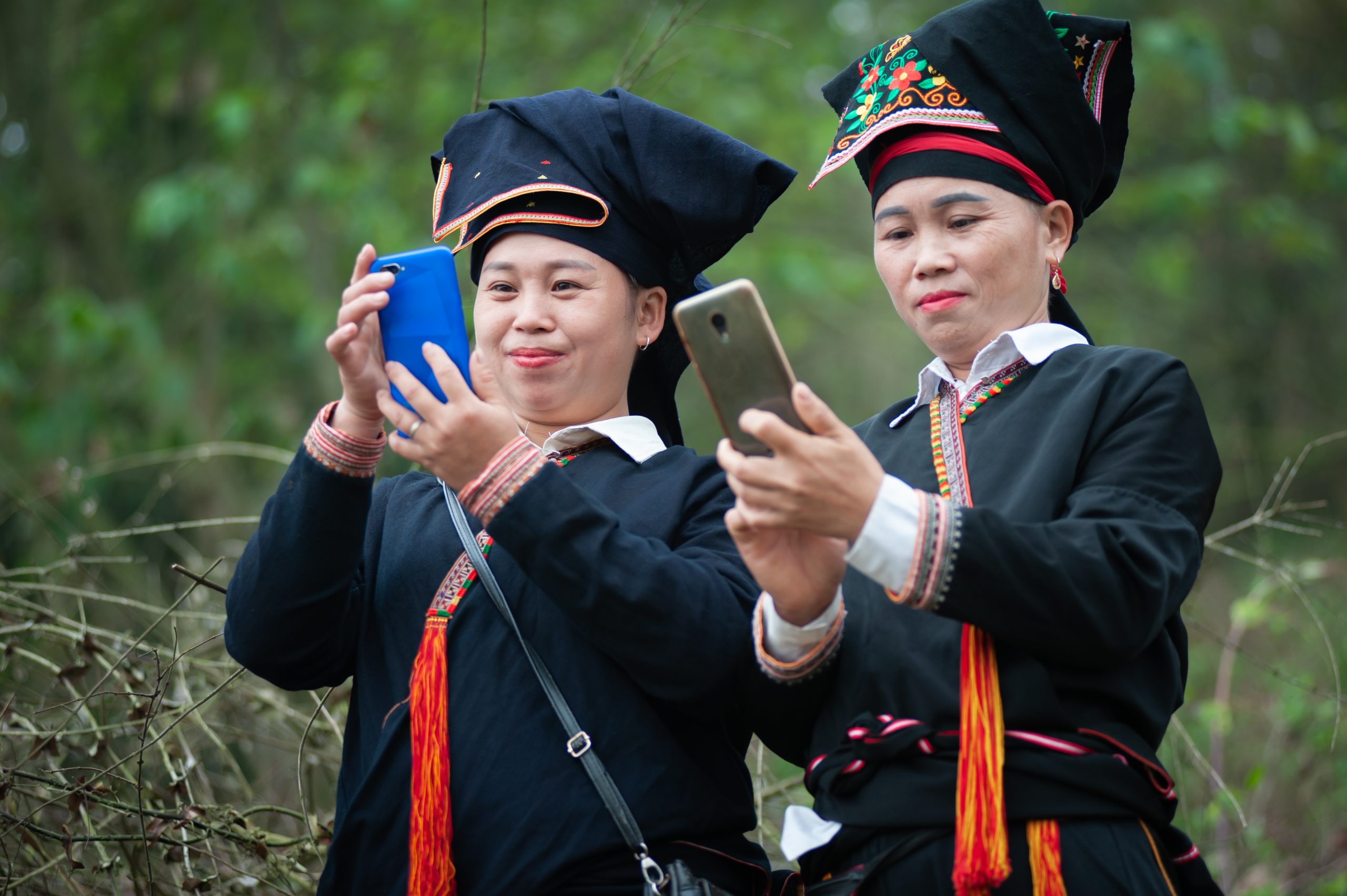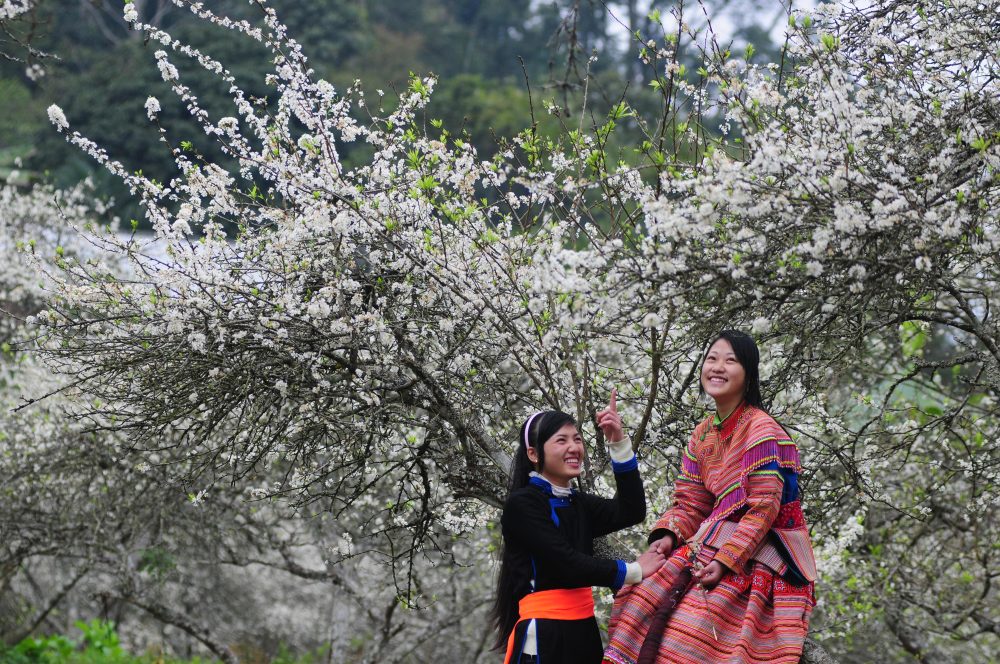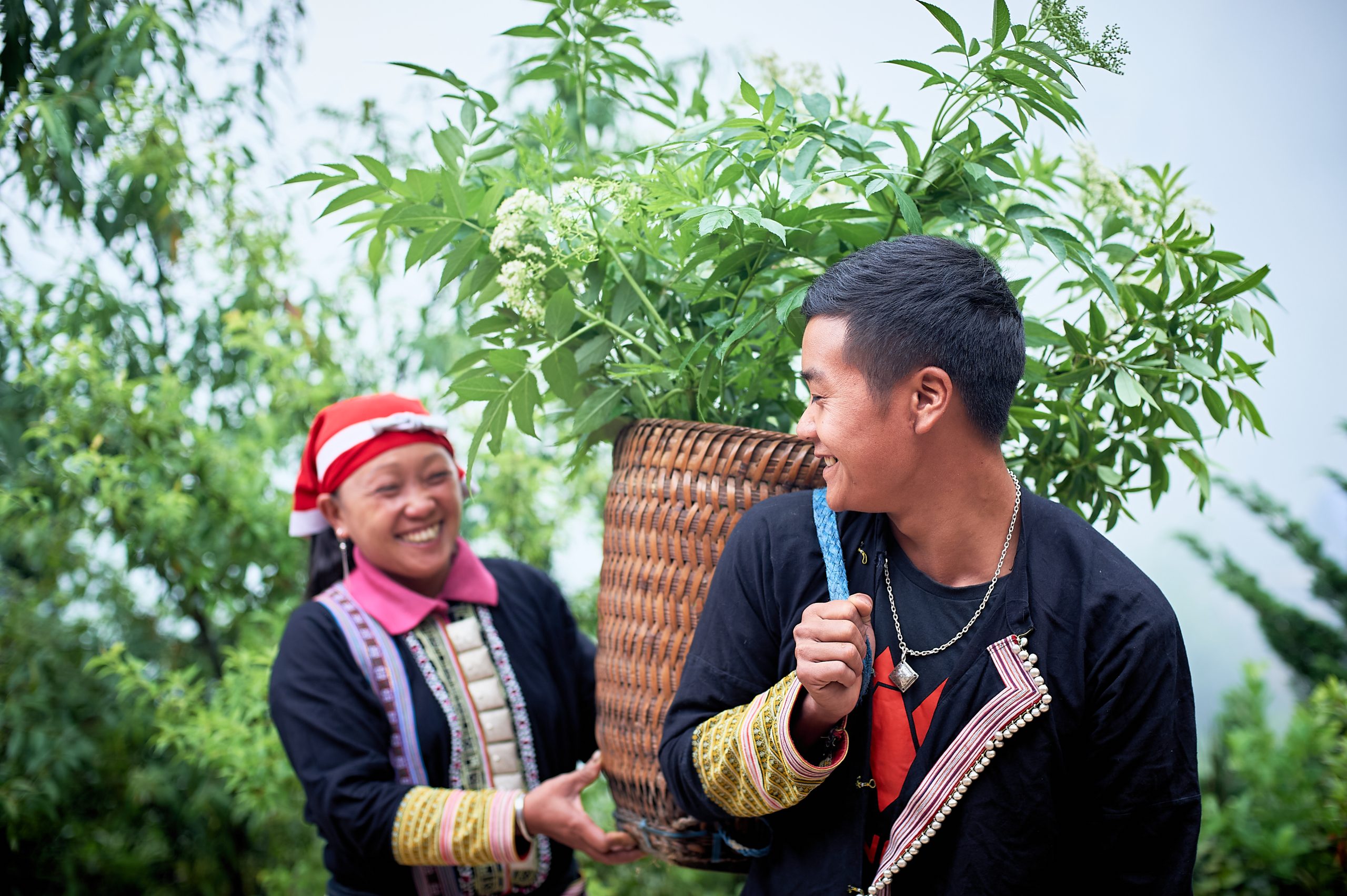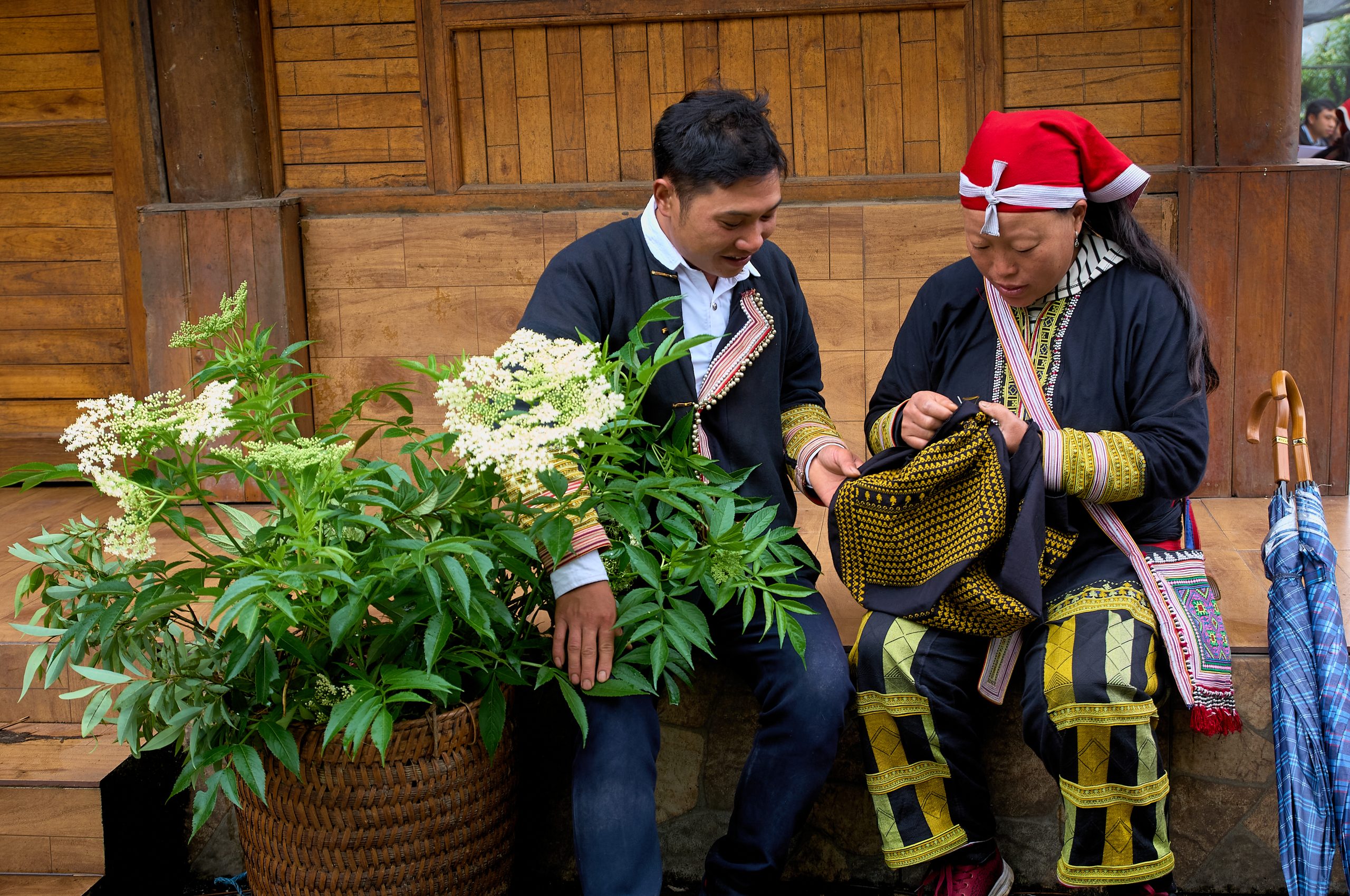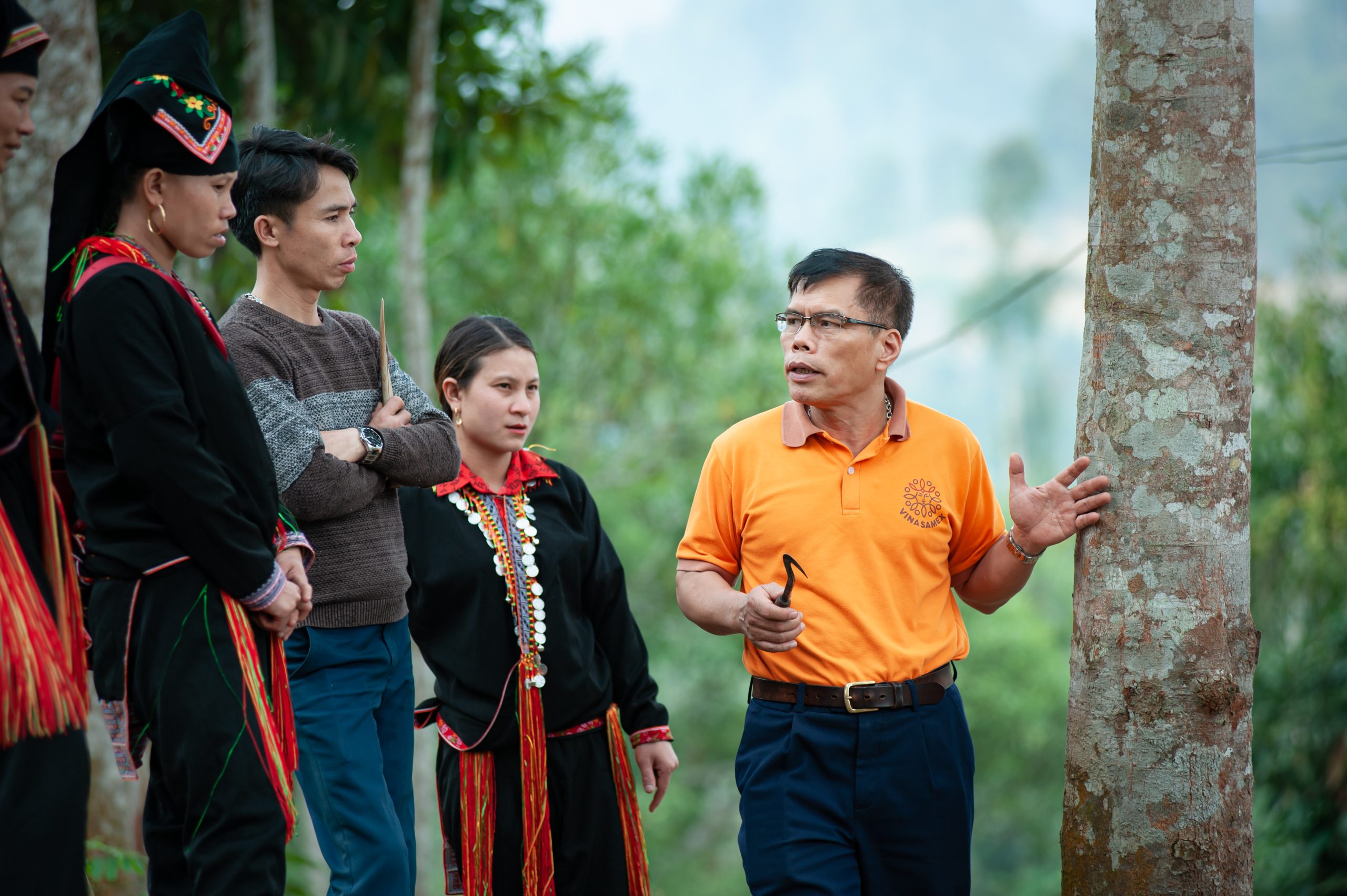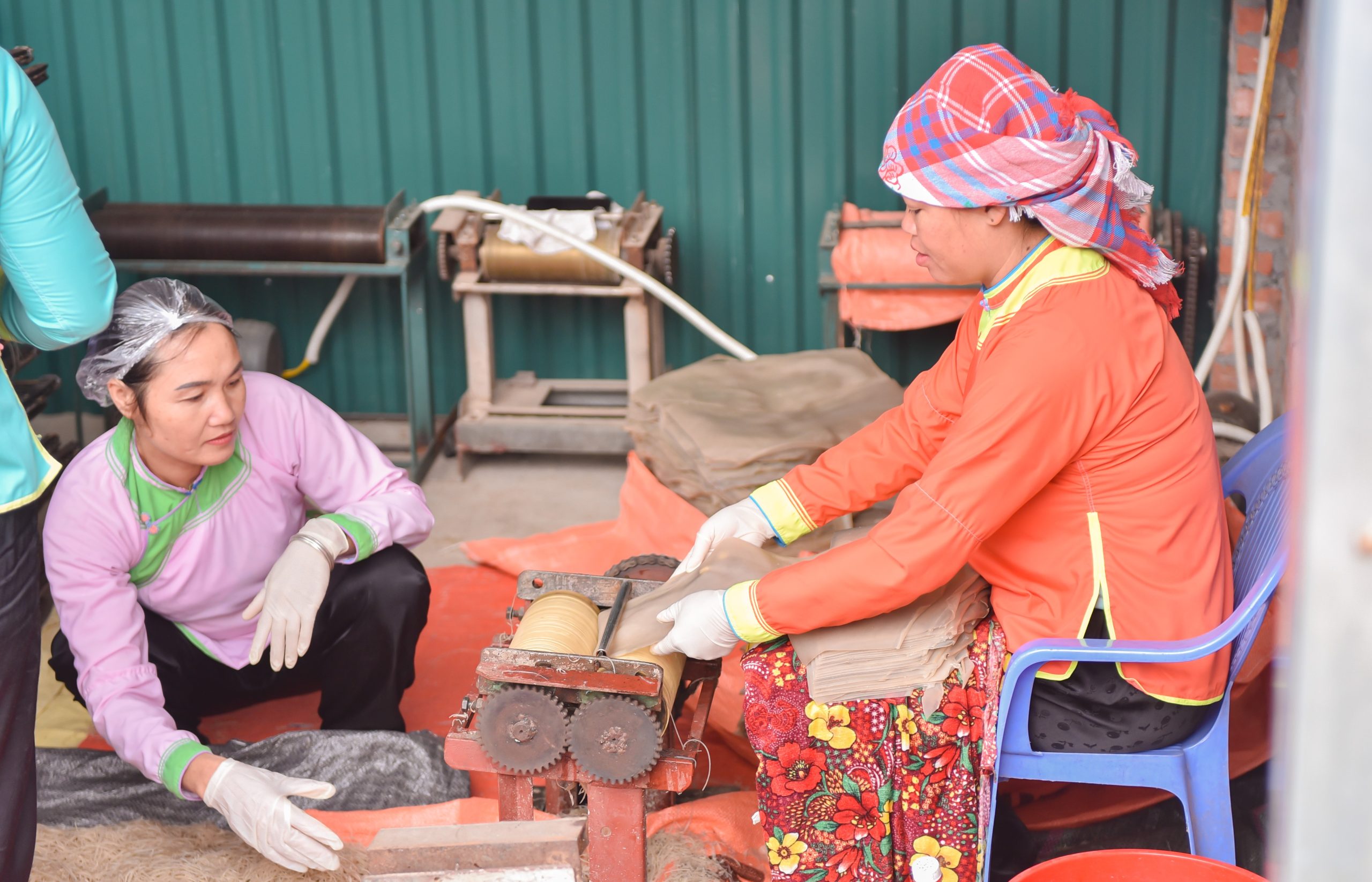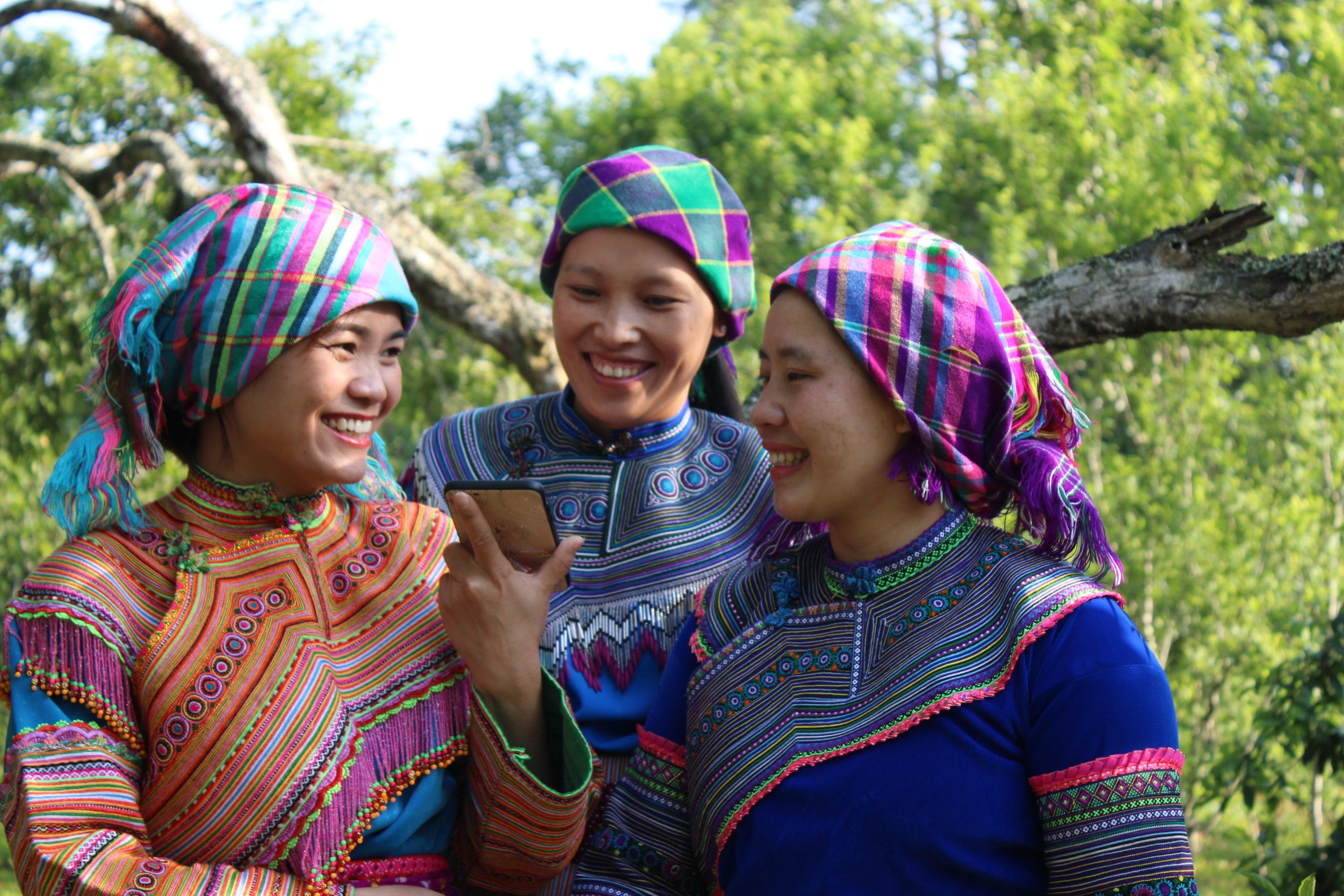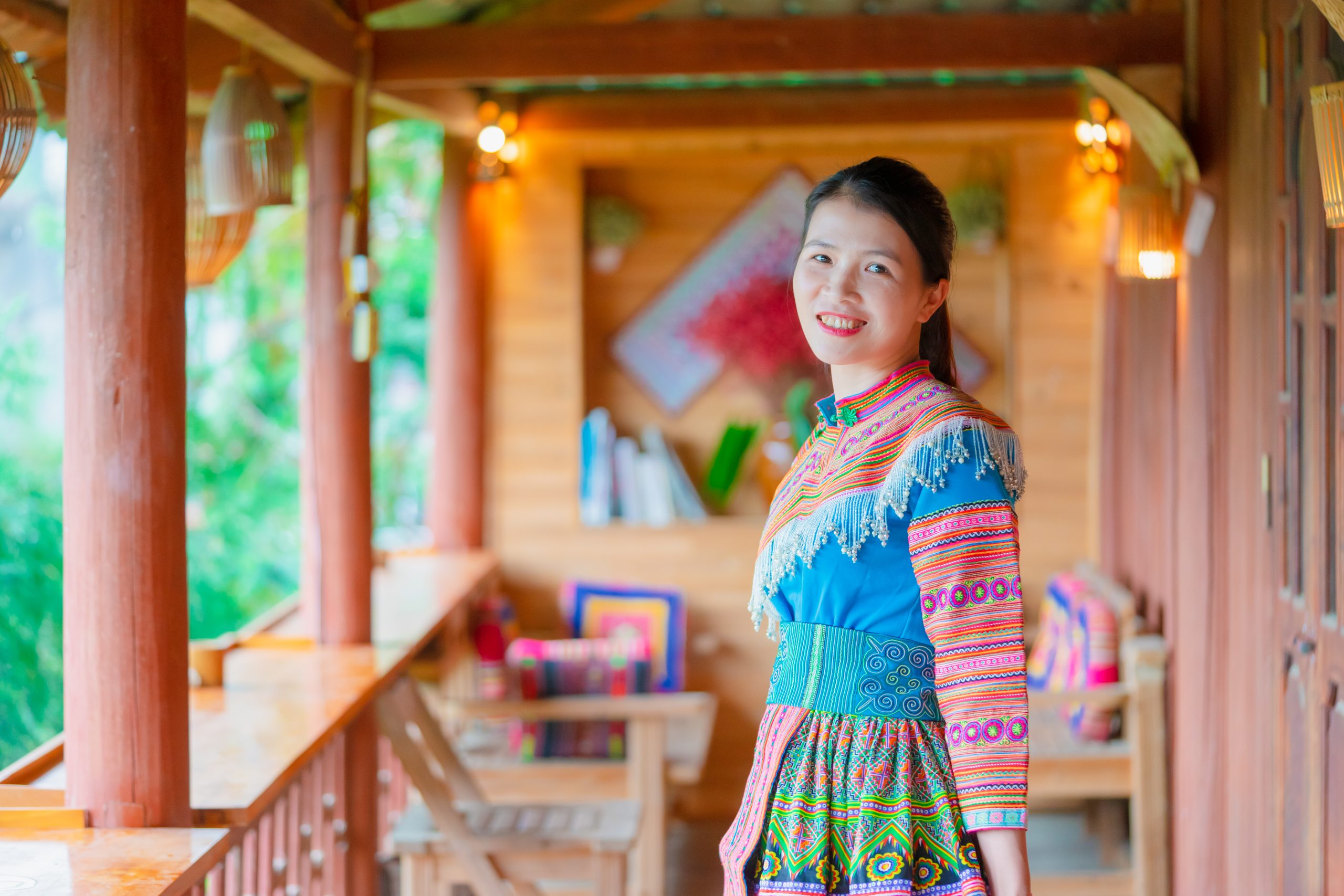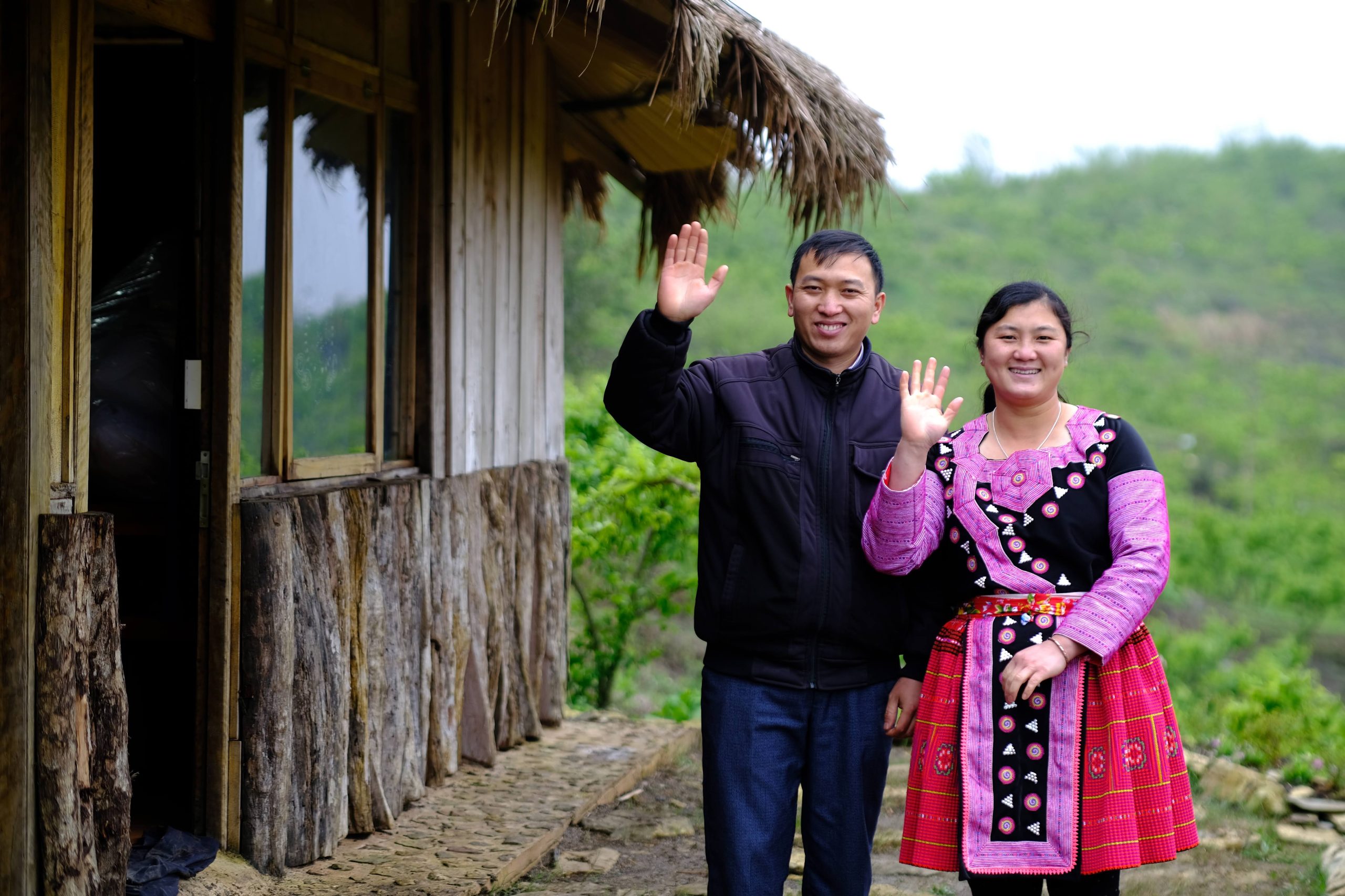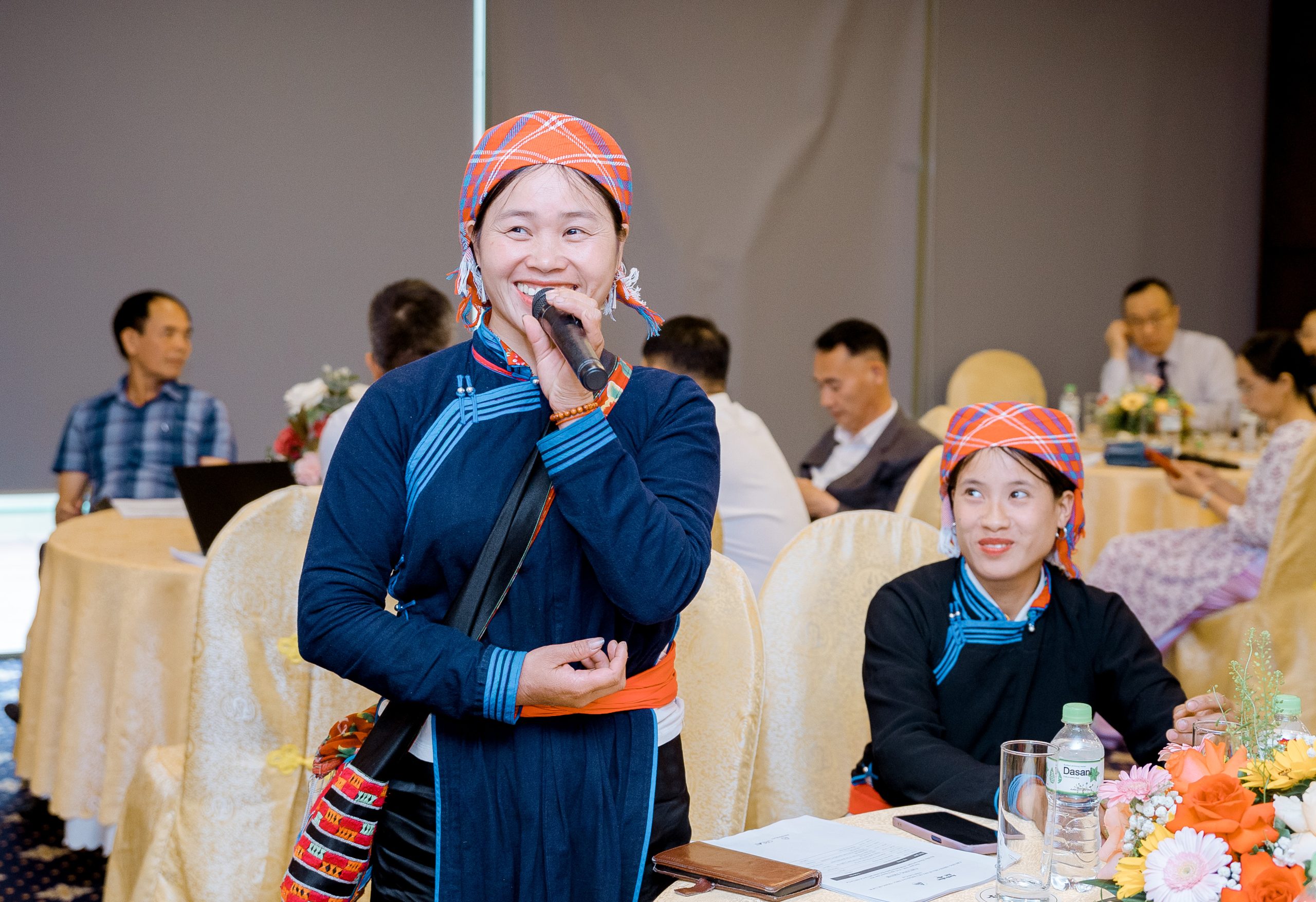
In the cloudy mountains of Son La and Lao Cai, a significant transformation is taking place. For generations, the lives of ethnic minority women in these remote villages were cantered almost exclusively in the home and on subsistence farming. Today, ethnic minority women in Son La and Lao Cai are increasingly seen behind beverage counters, managing homestays, and leading professional service teams. This shift is helped by the Gender Responsive Equitable Agriculture and Tourism (GREAT) program, using market systems development to make vocational training and viable tourism livelihoods accessible to those who were once excluded.
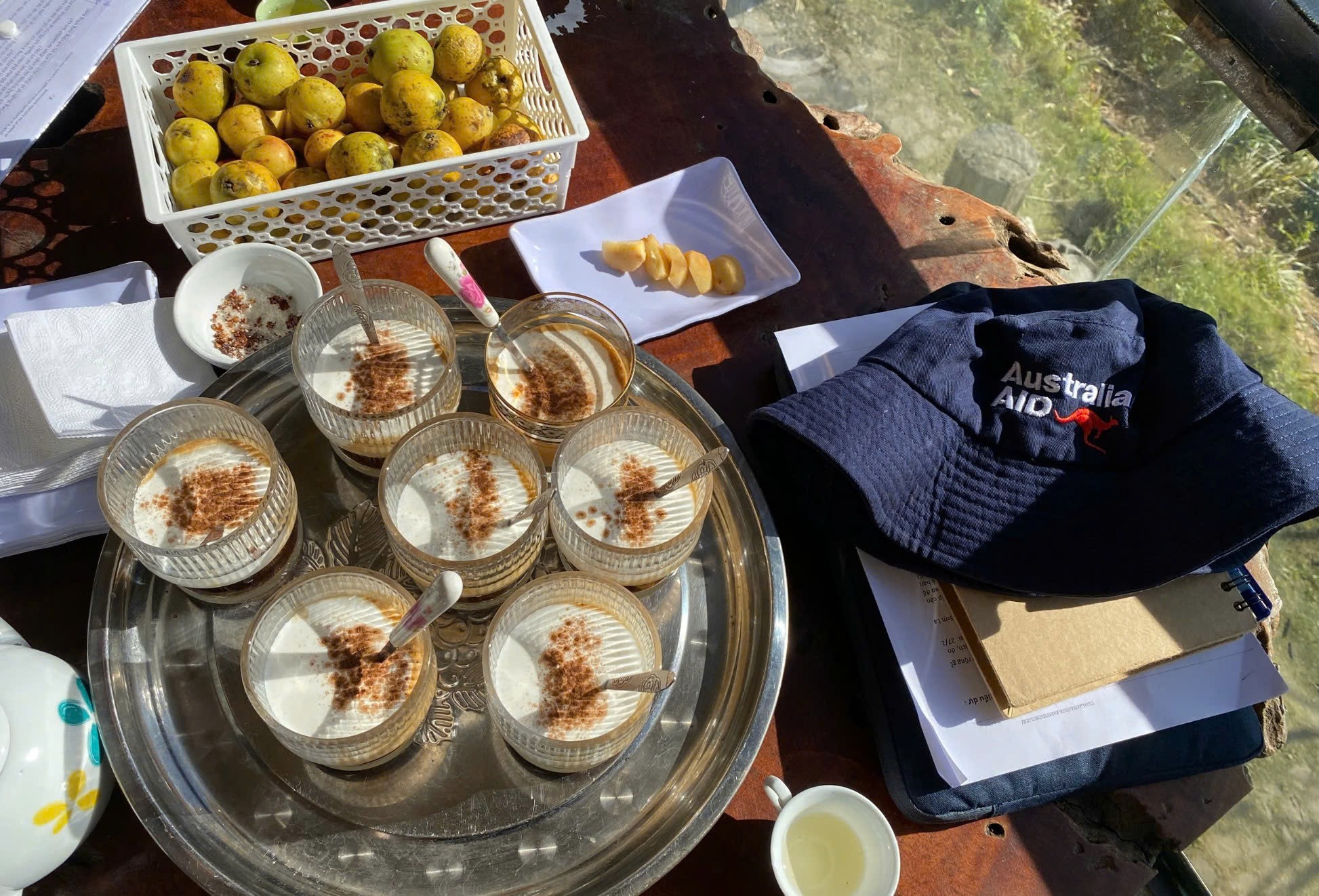
Inroads for the mountains through tourism
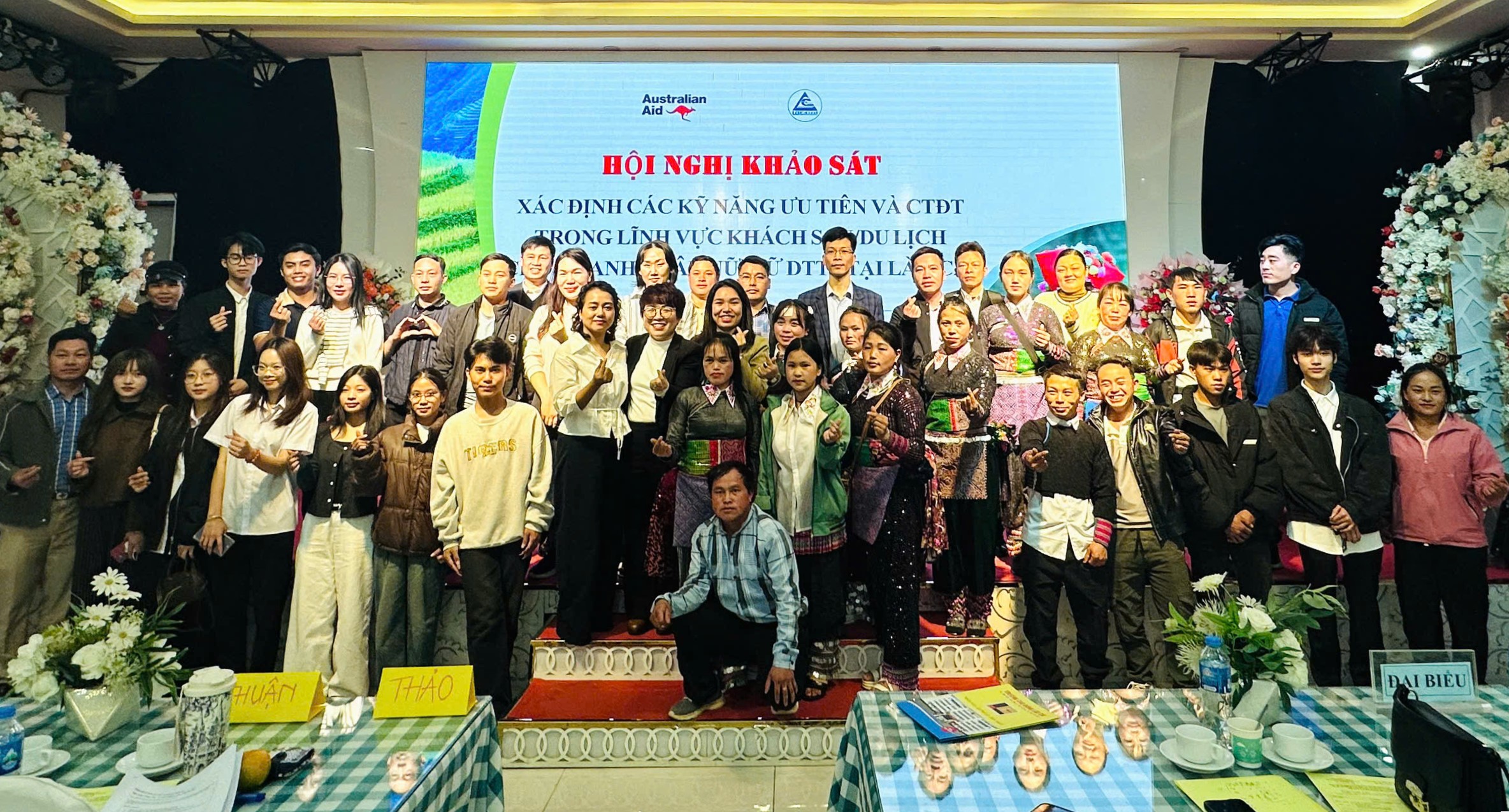
While tourism continues to rapidly grow in Northwest Vietnam, a career in tourism for ethnic minority women has been hindered by interconnected challenges. Research conducted under the GREAT program identified that geographic isolation, financial constraints, safety concerns, language barriers and social and gender norms were primary obstacles. These lead to a lack of skills and confidence, which is compounded by a lack of access to training services. Many women live in remote mountainous areas where traveling to tourism training centers is both costly and time-consuming. Furthermore, deep-seated social norms and heavy family responsibilities often limit their mobility and time to pursue education.
For women like Ms. Leo Thi Hoa from Ngoc Chien Commune, Son La, living with a disability compounded the challenges of access, the lack of disability-friendly training programs made the dream of a tourism career distant. But here’s the crux: Hoa is not alone – there are thousands of ethnic minority women like her with the potential to contribute, lead, grow the tourism sector, and ignoring accessibility for ethnic minority women and people with disabilities means the whole of the market loses out.
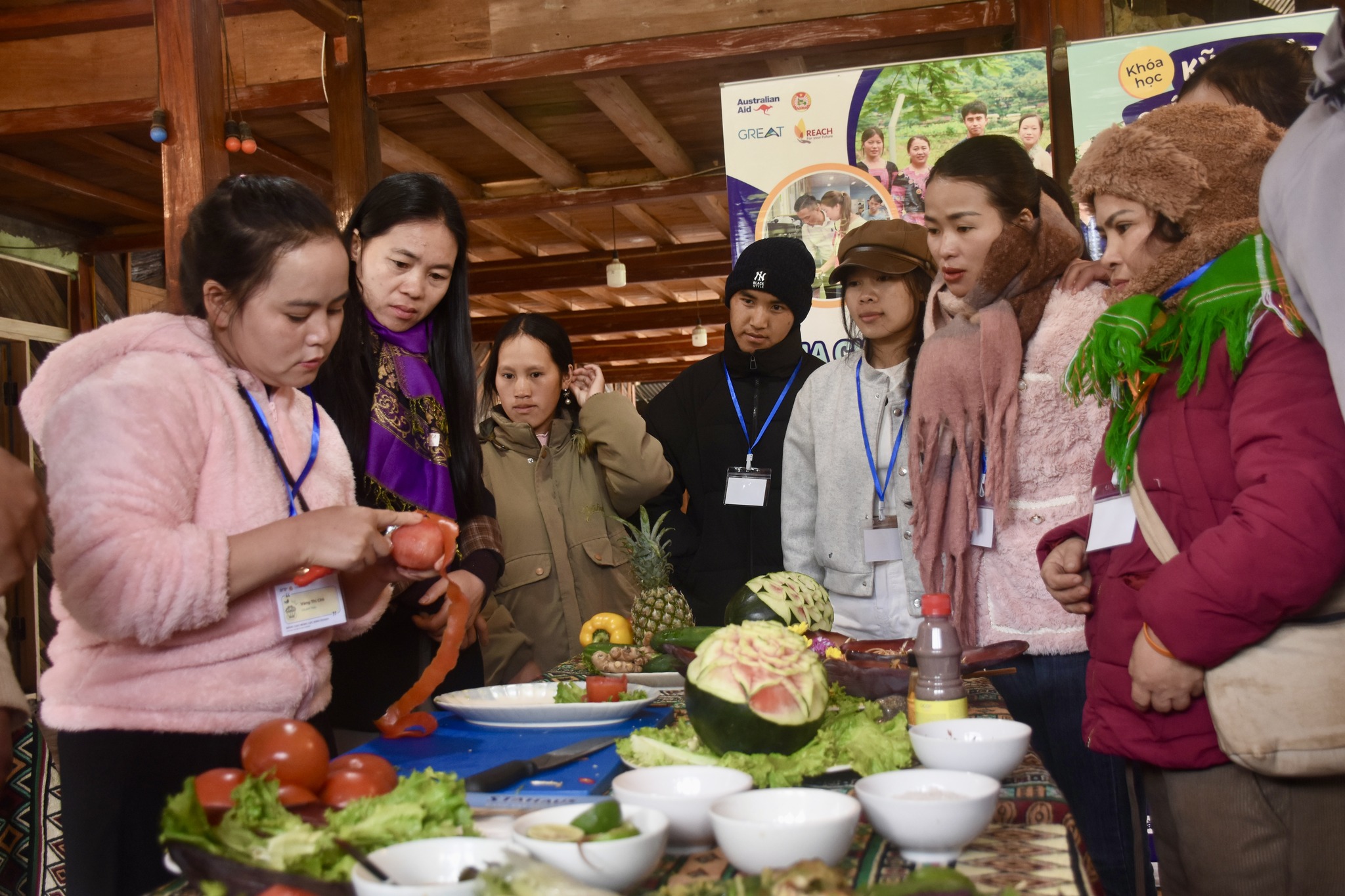
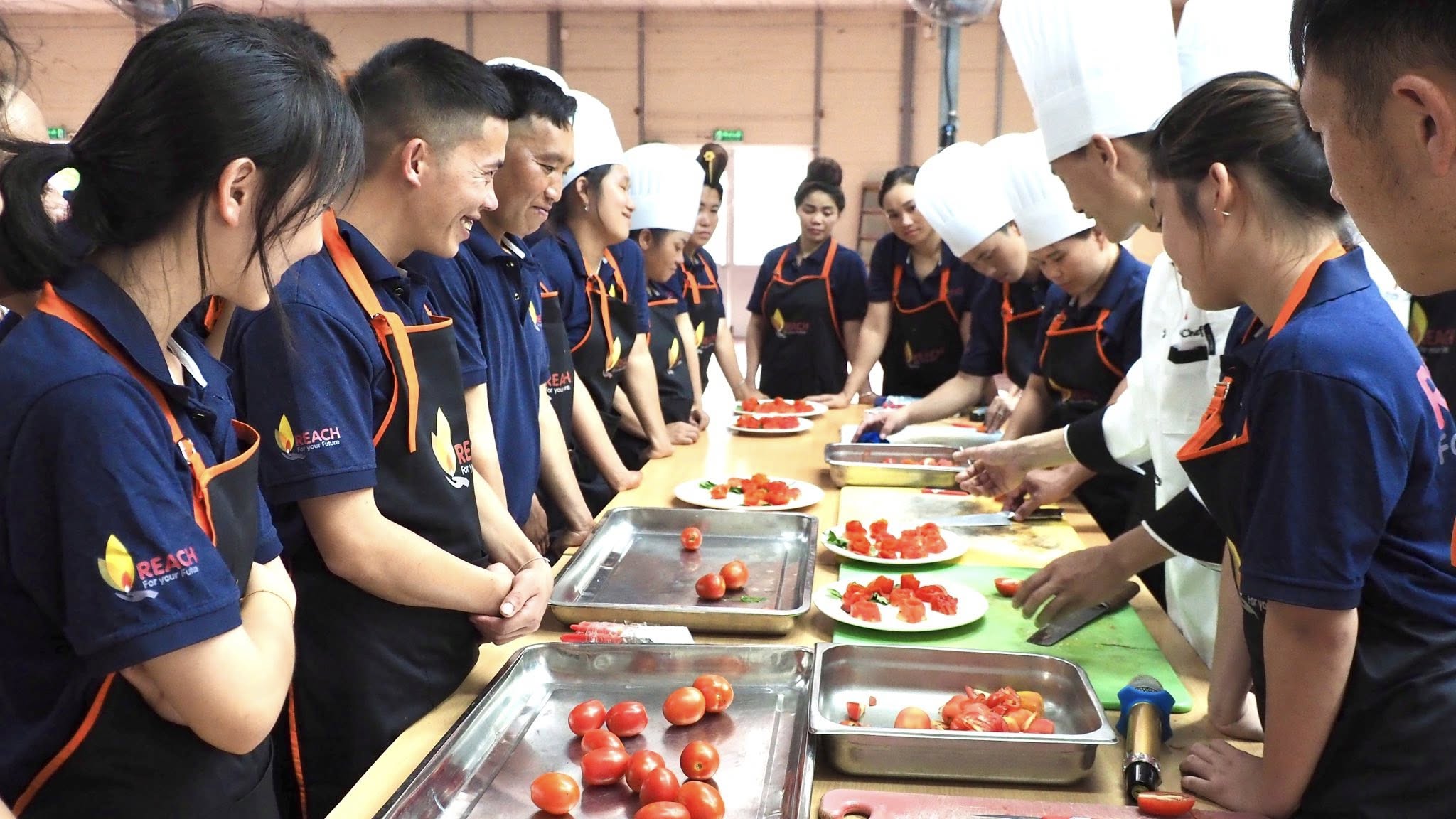
To address these challenges, the GREAT program, in partnership with organisations like REACH Son La and the Lao Cai College in Lao Cai, has redesigned vocational training to meet women where they are, both geographically and experience wise. The hospitality training project provides flexible, hands-on (learning by doing), user-friendly and market driven tourism and hospitality courses. Rather than requiring long-term stays at distant vocational schools, the project provides short, practical training modules that are delivered locally within the communities.
This localised approach directly overcomes the geographic and financial barriers that previously kept women at home. In Son La, the REACH project provides “training hubs” located within real businesses where students learn in a live and dynamic hospitality environment. As of March 2026, the program in Son La alone has organised eight training courses, attracting 175 participants. Notably, 116 of these are women, and 104 are from ethnic minority backgrounds, proving that when training is made accessible, the demand is immense.
Beyond technical skills: Building agency and confidence
The GREAT-supported curriculum goes far beyond teaching women how to cook or serve drinks. It is designed to build “workplace readiness”, market connections and personal agency. Modules focus on:
The impact is tangible
Through training, Ms. Leo Thị Hoa and hundreds of her fellow students and alumni were able to learn beverage preparation and café management. GREAT’s implementing partner REACH – a fixture market actor in hospitality in Vietnam – ensured train the trainer modules to be disability inclusive with reasonable adjustment measures, as well as ensuring gender responsiveness and cultural appropriateness. Assigning a learning partner enabled both peer support learning for building confidence and nuanced support to ensure Hoa could keep up with class instructions. Trainers were also flexible in adjusting their teaching style with a focus on hands-on demonstrations and practice.
These measures combined helped Hoa overcome her shyness and not only mastered basic beverage preparation skills but also nurtured a dream of opening a small café in her hometown. With support from her family, her community, and especially the project, that dream eventually became a recent reality. On February 1, 2026, her café, Samu Coffee, officially opened in Na Tau village, Ngoc Chien commune. From a woman who once felt hesitant and had few opportunities to participate in economic activities, Ms. Hoa has now become the owner of a small business, directly managing and operating her own café.
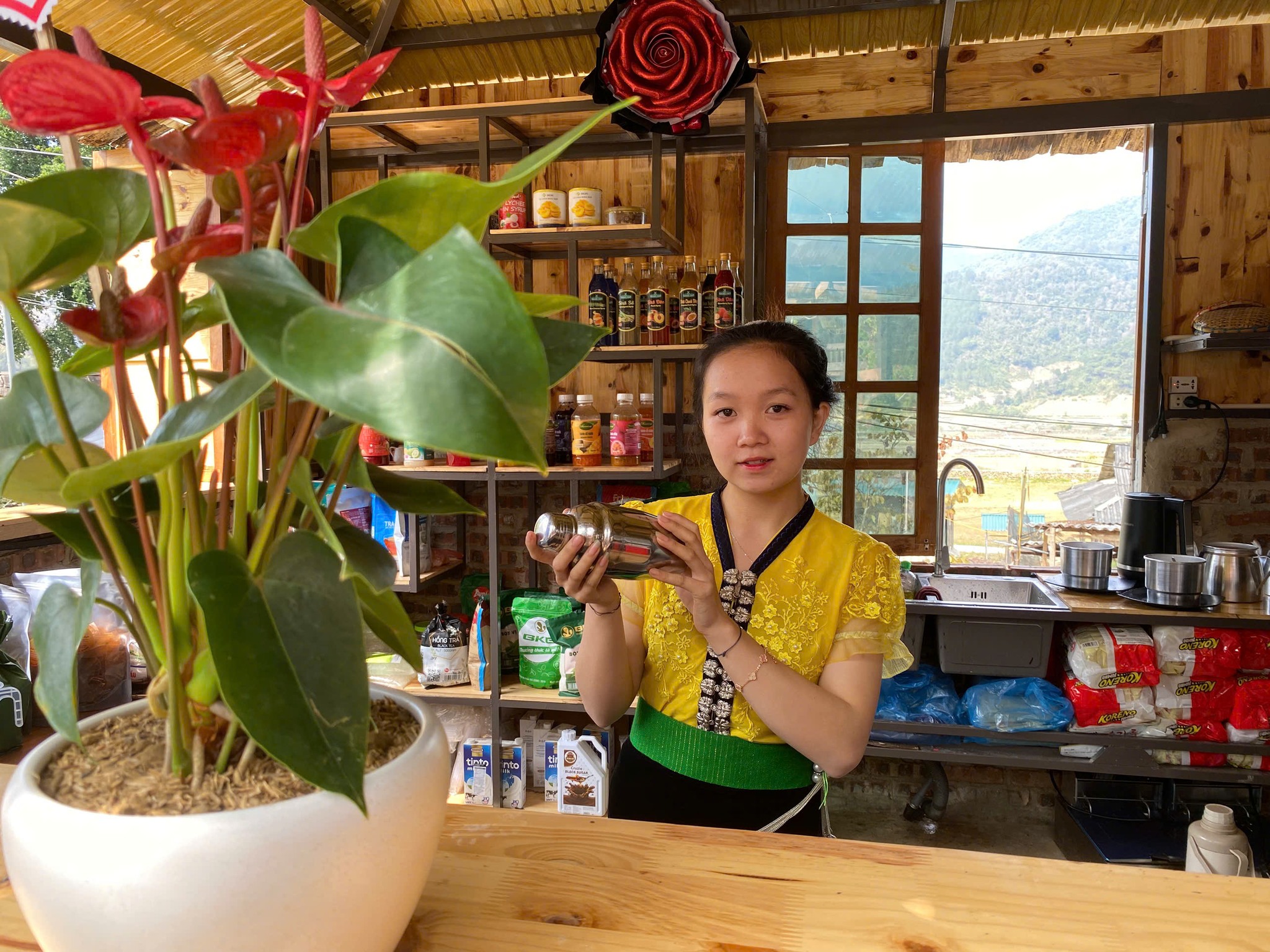
Ethnic minority women who were once only accustomed to farming are now skillfully and creatively preparing beverages and contributing to high-quality visitor experiences. This empowerment has a ripple effect. As women gain stable livelihoods in tourism, they increase their decision-making power within their families and communities. They become as critical as the ban flowers and clouds that draw tourists to the iconic mountains — they become the mainstay of the tourism industry, serving as role models for the next generation.