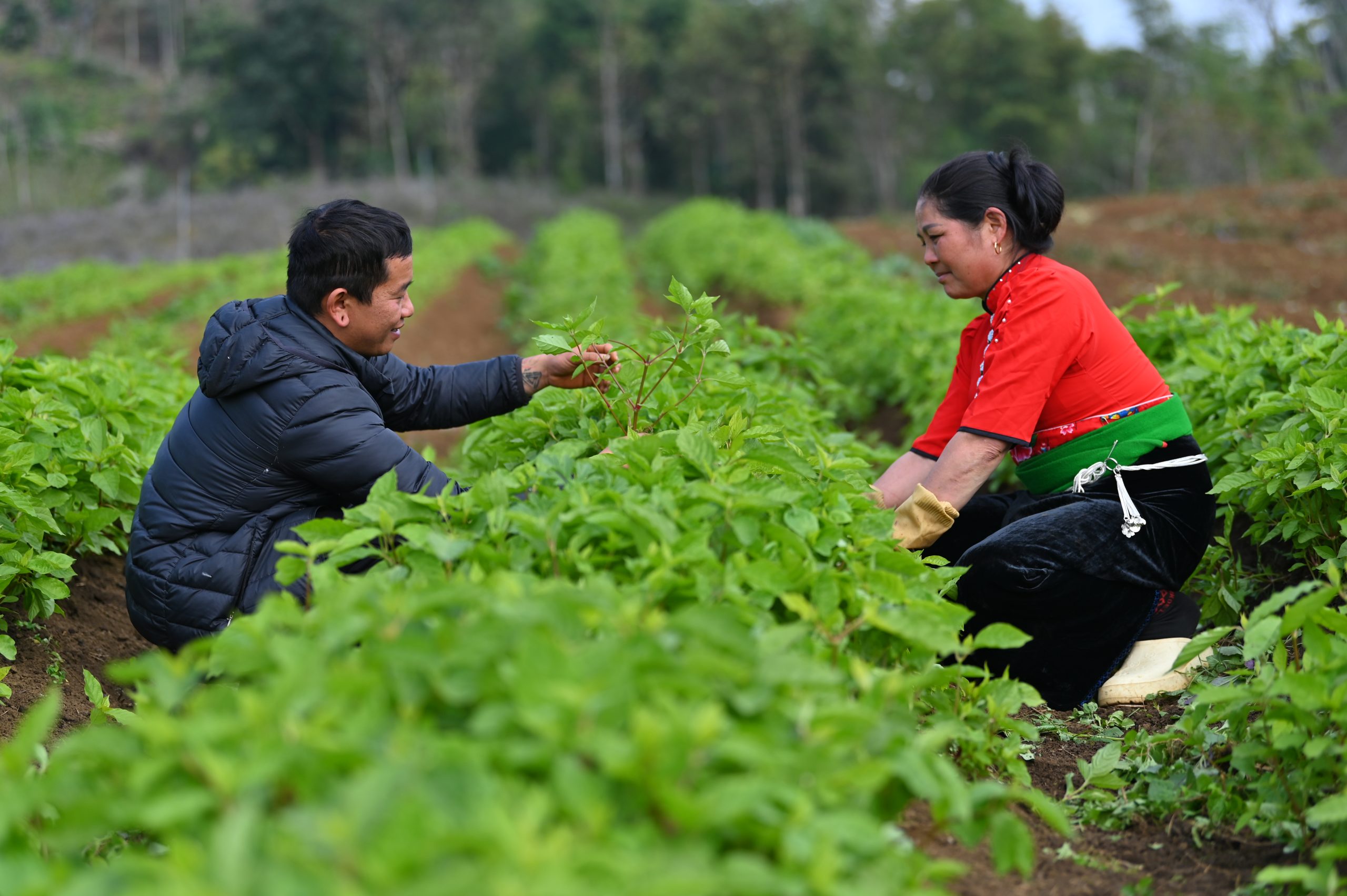
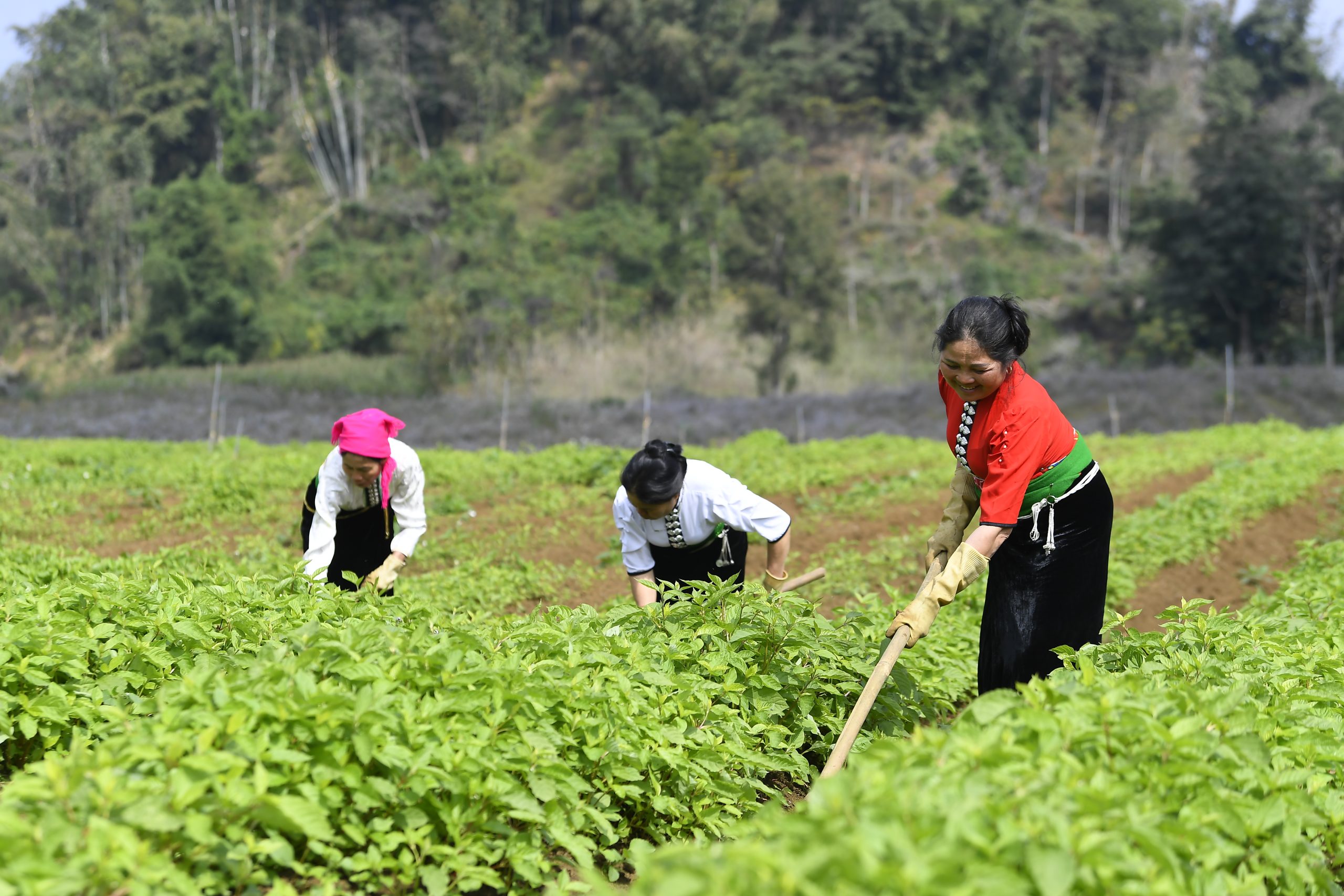
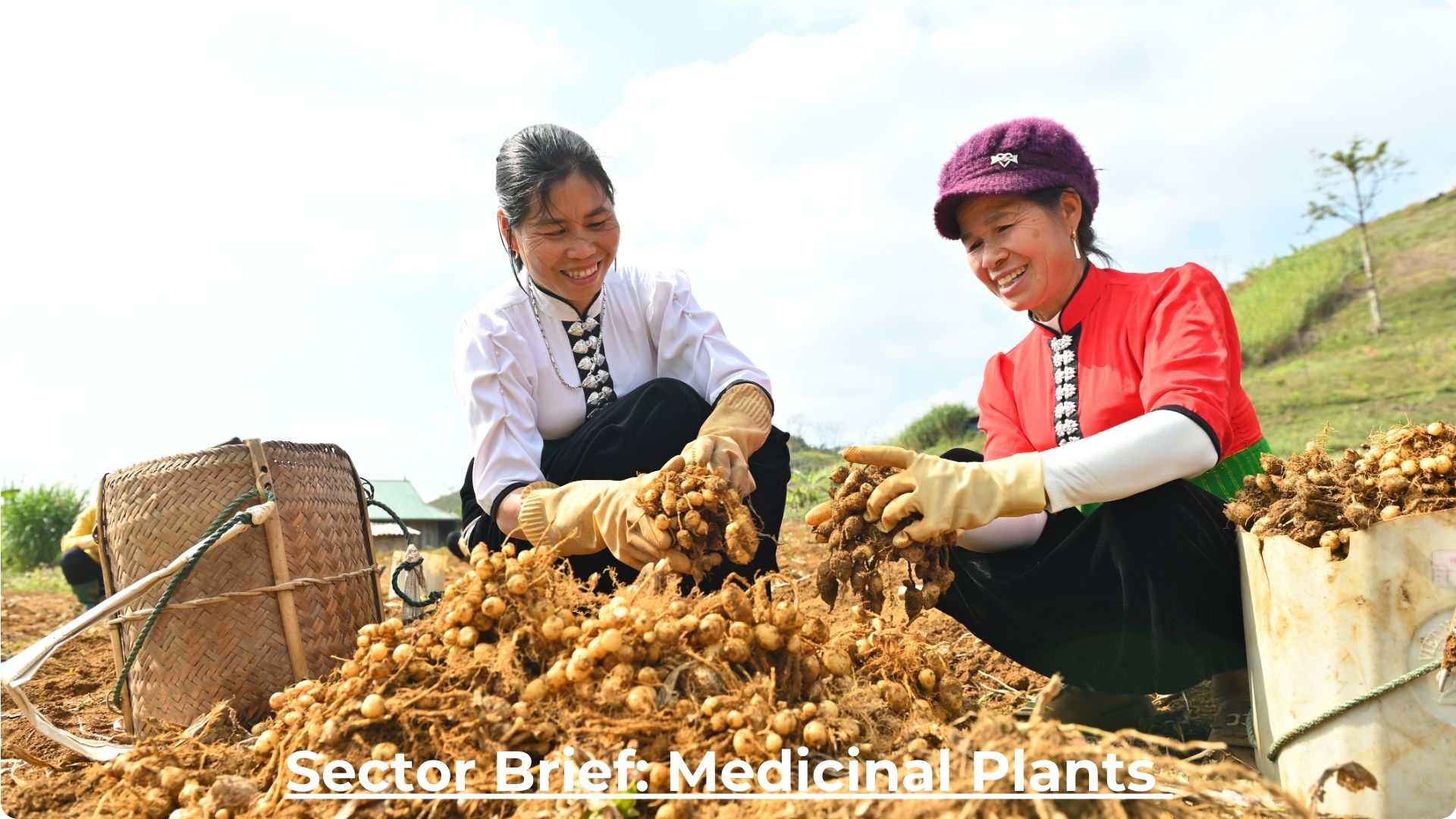
Son La province is rich in medicinal plant biodiversity, with more than 560 identified species, including high-value and rare varieties such as angelica, five-leaf ginseng, and purple amomum. Its diverse landscape—from fertile valleys to high mountain plateaus—combined with favorable climatic conditions, makes the province well suited for medicinal plant cultivation. These natural strengths are supported by strong provincial policies, with plans to expand cultivation areas from 1,200 hectares in 2024 to 15,000 hectares by 2030. Rising domestic and international demand, particularly following increased interest in natural health products since the COVID-19 pandemic, further highlights the sector’s growth potential.
However, limited public and private investment has constrained the adoption of quality standards such as GACP-WHO, resulting in small-scale, fragmented production and weak supply chains. Addressing these gaps is essential not only for sustainable growth, but also for women’s economic empowerment—especially among ethnic minority women, who play a key role in cultivation, processing, and marketing, and stand to gain higher incomes, skills, and leadership opportunities through the sector.
The following intervention areas support the inclusive and sustainable development of medicinal plants sector in Son La
Building capacity for collective groups/cooperatives in the production, cultivation, and collection of medicinal plants according to GACP-WHO standards
Enhancing the management and coordination capacity for cooperatives, including overseeing production, purchasing, preliminary processing, and seed production for the cooperatives
Documenting and organising workshops to disseminate the medicinal plant production model
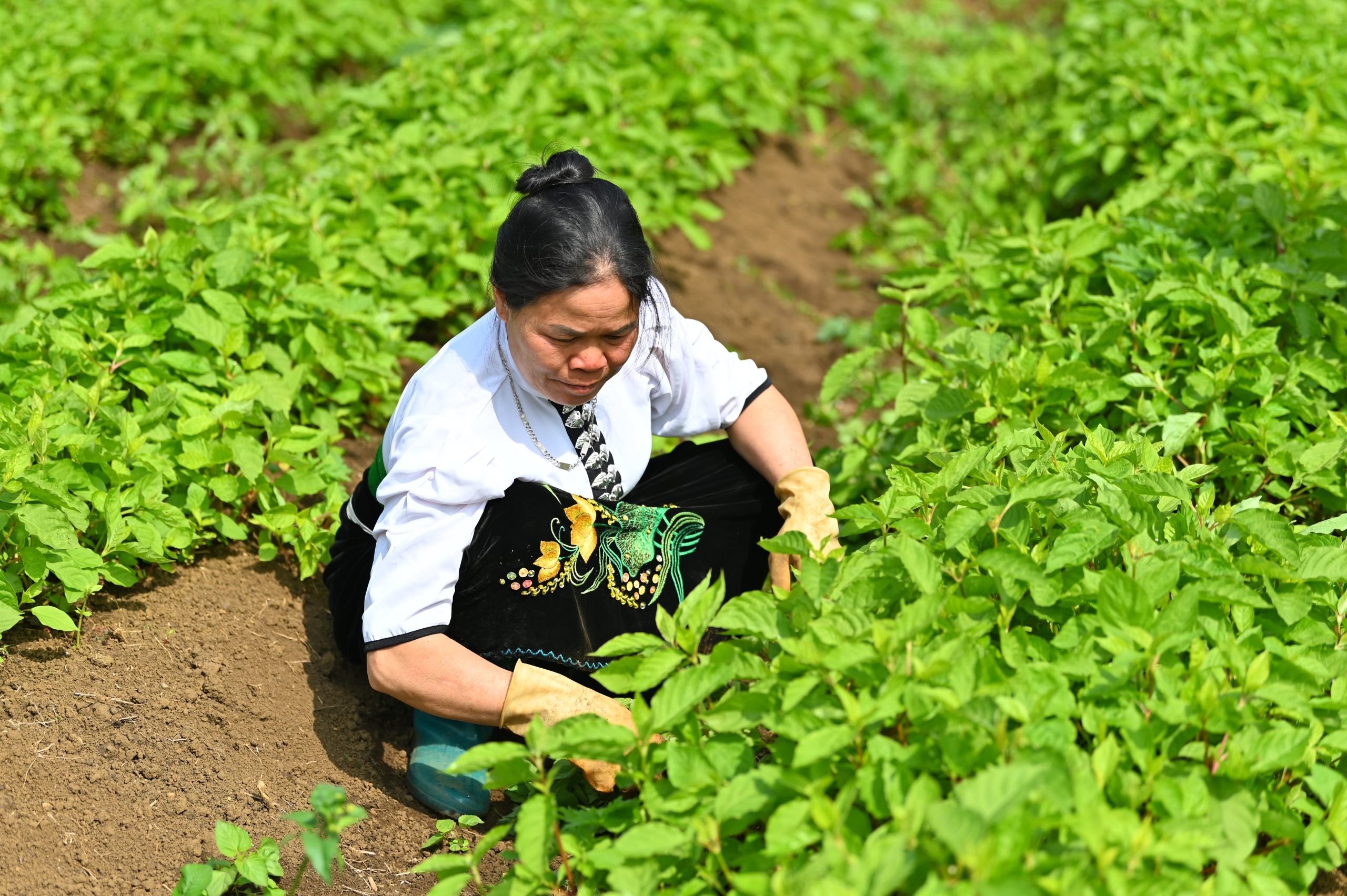
59 hectares of medicinal plant cultivation area are developed, of which 35 hectares are GACP-WHO certified
300 farmers have improved technical capacity in medicinal plant production
105 farmer households have increased income from medicinal plant production
15% increase in the number of women participating in household expense decision-making
10% increase in the number of women having shared workload from husbands/other male family members